187: Building a Sustainable Private Practice During Perimenopause: Scheduling, Systems, and Self-Compassion
187: Building a Sustainable Private Practice During Perimenopause: Scheduling, Systems, and Self-Compassion 

What happens to your private practice—and your finances—when perimenopause hits and you just don’t feel like you used to?  

As therapists and health practitioners, we’re used to holding space for others—even when our own capacity is changing. If you’re noticing changes in your energy, focus, or mood and wondering how to keep your practice (and your finances) healthy, this episode might be just what you need. 

In this episode, I break down the real impact of perimenopause on therapists, from brain fog and fatigue to the tough decisions about reducing your caseload or raising your fees.  

I share some practical ways to adjust your schedule, automate your money systems, and, most importantly, ask for support so your business and finances work with your new reality. Remember—your practice can and should support you through every season of life! 

Supporting Yourself Financially and Professionally Through Perimenopause in Private Practice

(00:04:14) Perimenopause’s Impact on Therapists 

(00:07:59) Align Business with Current Reality 

(00:12:15) Prioritize Time, Health, and Money 

(00:15:11) Streamline Finances, Seek Support 

(00:18:33) Money Clarity for Therapists 

Private Practice Finances for Therapists Experiencing Perimenopause

If you’ve been noticing a shift in your health, energy, or focus as you move through your late 30s or 40s—especially the ups and downs of perimenopause—you’re not alone. 

Let’s be honest: perimenopause comes with a “whole list of not fun”—from hot flashes and brain fog to headaches, irritability, and unrelenting fatigue. If your capacity isn’t what it used to be, please know that adjusting your expectations and routines isn’t just okay—it’s necessary. 

Listen in for practical steps to create more ease in your schedule, value your expertise as your career progresses, and make sure your money truly supports you through this transitional season. I encourage you to create a clear system and habits for yourself, so you don’t have to think fresh every time you sit down to work on your money. Having a nice, clear checklist of the tasks that you do whenever you do money time will help clear mental barriers and make the best use of the energy you have in that moment. 

(00:15:37) “Let’s reduce the cognitive load associated with your finances when that cognitive energy right now would probably better serve you somewhere else because it might be in more limited supply than it used to be.” – Linzy Bonham 

Financial Self-Care for Therapists Navigating Perimenopause Challenges

Here are 3 key takeaways for therapists in private practice: 

  • Accept Your New Reality: Your energy and focus may look different than they used to. Instead of holding yourself to past standards, adapt your schedule and expectations—this is about working with your reality, not against it. 
  • Let Your Business & Money Support You: Adjust your caseload, consider increasing your fees, and schedule self-care. Your financial decisions now can directly support your health and quality of life. 
  • Simplify Your Systems—And Ask for Help: Clear routines, automation, and seeking support (like hiring a bookkeeper) can help lighten your mental load, freeing up energy for both your work and your wellness. 

Get to Know Linzy Bonham:

Linzy Bonham is a private practice therapist turned money coach who helps private practice owners and health professionals feel calm and in control of their finances through her coaching at Money Nuts & Bolts and her podcast Money Skills for Therapists. 

It all started when she saw her extremely skilled colleagues struggle with the money side of business. Some had even left private practice, or were avoiding starting one, because the financial side was too stressful. 

So Linzy decided to help therapists and health professionals develop peace of mind about their money. Since so many were never taught these skills, she focuses on the “how” of making the business side of private practice doable, and even super satisfying. 

Follow Linzy Bonham:

Ready to feel confident with your money?

Are you a Solo Private Practice Owner?

I made this course just for you: Money Skills for Therapists. My signature course has been carefully designed to take therapists from money confusion, shame, and uncertainty – to calm and confidence. In this course I give you everything you need to create financial peace of mind as a therapist in solo private practice.

Want to learn more? Click here to register for my free masterclass, “The 4 Step Framework to Get Your Business Finances Totally in Order.”

This masterclass is your way to get a feel for my approach, learn exactly what I teach inside Money Skills for Therapists, and get your invite to join us in the course.

Are you a Group Practice Owner?

Money Skills for Group Practice Owners is a six-month course that takes you from feeling like an overworked, stressed and underpaid group practice owner, to being the confident and empowered financial leader of your group practice. Click here to learn more and join the waitlist.

Episode Transcript

Linzy Bonham [00:00:00]: 

What do you do in your private practice and what do you do with your finances when you are not feeling like you used to, when you are no longer having the health and the vitality that you used to? And we know that after menopause you are going to feel better, feel different, but a lot of these symptoms will recede. But it might be again many years that you have these symptoms. Welcome to Money Skills for Therapists, the podcast that helps therapists and health practitioners in private practice go from money confusion and shame to calm clarity and confidence with their finances. If you’ve ever felt overwhelmed by numbers or avoided looking at your business money, you’re in the right place. I’m Lindsey Bonham, therapist turned money coach and creator of Money Skills for Therapists. Before we jump in, check out my free On Demand masterclass. You’ll find the link in the show notes or@moneynutsandbolts.com under masterclass. It’s the best first step to finally feeling empowered with money in your private practice. 

Linzy Bonham [00:00:55]: 

Let’s get started. Hello and welcome back to the podcast. Today’s episode is a solo episode where I’m going to be digging into perimenopause and private practice finances. I’m going to be talking today about perimenopause in general, which is something that is showing up a lot in the folks that I serve in Money Skills for Therapists and Money Skills Group practice owners, who, many of whom are women in their late 30s, early mid-40s. Perimenopause becoming very, very common experience. I’m going to talk about perimenopause, what the symptoms are. I’m going to talk about how they impact us in our private practice, how they impact our finances and our ability to work on our finances. And then what you can do if you find yourself in this place where perimenopause is popping up and changing the way that you can show up in your private practice and changing how money is looking in your life. 

Linzy Bonham [00:01:52]: 

So I think it goes without saying, but I’m going to say it. This is not a medical podcast. I am extremely not a doctor. I am smart in other ways, but there is no way I would ever get through med school. So as you’re listening to this episode today, I’m going to be talking about some of the symptoms of perimenopause. But if you are experiencing these things, of course talk to your doctor about these symptoms. I will say myself that I went to a healthcare professional thinking, thinking I had perimenopause and I actually had Something else. So it’s always good to get a second opinion when you do have symptoms like the ones that we’re going to be chatting about today coming up to make sure that you actually know what the problem is and you can get the appropriate treatment for your actual medical condition. 

Linzy Bonham [00:02:31]: 

So let us dig into the symptoms of perimenopause, which are a whole list of not fun. Basically, perimenopause in a lot of ways can be summed up by you feel crummy, you experience potentially hot flashes and night sweats, your sleep is disrupted, you’re not sleeping as well as before, it’s hard to fall asleep, it’s hard to stay asleep. You are experiencing fatigue and exhaustion, mood swings, anxiety, irritability, like low mood depression, you know, the terrible highs. The terrible lows can come with perimenopause, brain fog, which of course is really relevant when it comes to our work and our money. So having trouble with memory, having trouble with concentration, focus, word retrieval might be challenging. That’s something that I know I myself have been having challenges with lately. Despite not being in perimenopause, your PMS might get way worse. So you might be used to mood swings around certain points in your cycle, but they become much more pronounced. 

Linzy Bonham [00:03:30]: 

So like way more irritable, way more tension going on. Headaches can be another part of perimenopause and a whole bunch of other physical discomfort, which is a little bit less relevant for what we’re going to talk about today, but certainly lead to, again, you feeling just a whole bunch of crummy things like heart palpitation, breast tenderness, bladder problems, low libido. So you’re having less fun. Vaginal dryness and then also changes to your body. So weight gain, you know, you might be noticing your body changing and looking ways that it has never looked before. Change in body shape, it’s a lot. And one of the things about perimenopause is it can go on for a long time before you actually go into full menopause. So I know a friend of mine was diagnosed with perimenopause. 

Linzy Bonham [00:04:14]: 

She was in her early 40s and her doctor said it could be eight or 10 years of this. So it is a lot to weather for a long time in terms of how this impacts our work. Of course, when we are feeling bad, when we’re feeling sick or ill, we can’t really show up as our best selves, right? If you’re having cognitive fogginess, especially word retrieval issues, if your brain is just not feeling as sharp A lot of what we do as therapists is we sit and we work to be fully present and access all of these different aspects of our brain and draw on all of these things that we know about the person sitting in front of us, and also the things that we know about therapy and our natural intuition and skills. Being a therapist involves almost, you know, if we were going to use a computer analogy, having many, many programs pulled up at the same time in your brain to be able to be as effective as possible with the person sitting in front of you. And perimenopause is going to interfere with that, right? Fogginess, headaches, fatigue, exhaustion, all of these things are going to make it harder for you to show up feeling like really the best version of yourself as a therapist and in your life as well, but definitely in your work. You also might be way more tired and have lower capacity for clients. So not only are you not able to show up as the therapist you really want to be and know that you can be in certain times, but also you might just not be able to work like you used to. It might be way more challenging to see those like 15 to 20 clients a week that you used to when you are feeling depleted and drained and foggy and physically uncomfortable. 

Linzy Bonham [00:05:50]: 

This obviously has a big impact on our money as self employed people, right? When we’re not feeling well, it is harder to push ourselves to see more clients. The capacity that you might have had to see clients when you were feeling good in your 20s and your 30s, you might have been able to see 15 or 20 clients a week, no problem. That is impacted when your health is not good. And that in private practice literally impacts our income. Right? We make less money when we see less clients. And you might not have that option of just pushing yourself harder like you used to. It’s also harder to do the big picture work in your business when you are struggling with brain fog and challenges with focus and executive functioning. That big picture thinking requires us to be grounded and really zoom out. 

Linzy Bonham [00:06:37]: 

And kind of similar to the computer analogy that I just used in terms of being a therapist for big picture thinking, we also need to have multiple programs kind of pulled up in our brain at once. But those programs are going to be more about taking perspective on our numbers, having our numbers pulled up and thinking about what’s happening with our clients and what’s happening with marketing and what are the messages that you’re getting that big picture strategic thinking also takes a lot of cognitive brain power that might be hard to access when you are Experiencing symptoms of perimenopause. So what do you do? What do you do in your private practice? And what do you do with your finances when you are not feeling like you used to, when you are no longer having the health and the vitality that you used to? And we know that after menopause, you are going to feel better, feel different, but a lot of these symptoms will recede. But it might be again many years that you have these symptoms. So the first thing is to zoom out and accept your new reality. It’s really easy as humans and in business to have set a certain norm or standard for ourself of like, this is what life looks like, this is how many clients I see a week, this is how much money I make. And then make that be the norm to which you always have to be holding yourself to and striving. Sometimes we have to stop and adapt and we have to accept our new situation. 

Linzy Bonham [00:07:59]: 

And when our health has changed, when our bodies are changing and we don’t have control over that, A big part of making your business work for you and making your money work for you is working with your reality, not working against it. Unfortunately, no amount of willpower is going to change this combination of symptoms that you are experiencing. So with that view of acceptance and really being curious about where you are now, the first thing that you could ask yourself is how can you create more ease in your business? A lot of that is probably going to be around scheduling. What adjustments do you need to make to your schedule to feel as well as you can in this context? Right? Is that putting in like a midday break or nap or walk, Making a longer gap in the middle of the day to help to ground and take care of your body and take care of your mind? Is it ending your workday earlier than you used to? Is it seeing less clients in a row than you used to? Asking yourself these questions of how can my schedule support me now with my body and my mind the way that it is now? And just be curious about what changes would feel supportive, what would make your days feel easier? It might also be reducing your caseload. Right now, you might not have the capacity that you used to have. And when we fight against our capacity, we set ourselves up for burnout. And that is not what you need right now at this point in your life, given that you are in your late 30s and 40s, you probably have a bunch of other responsibilities going on too. So burnout is not going to help your situation. 

Linzy Bonham [00:09:35]: 

So being realistic with yourself about what do you need your caseload to be right now? Would 12 be a better number for you in terms of sessions a week? Right. What are some tweaks that can be made to keep you from feeling as exhausted? You might have to actually look at increasing some fees to offset the reduced caseload. If you are already a therapist who is out of pocket, where clients are paying you cash and you can easily set your own rates, this would be an easier thing to do. Something else to remind yourself of is at this point in your career, you’re not new, you know what you’re doing, you’ve probably established a niche, you probably have an established caseload. And if you don’t, I’m sure that you have honed a specific clinical niche that would allow you to really establish a caseload of folks who really need what you do and really appreciate what you do and the expertise that you have, not just from having clinical experience, but having life experience. So this is always something that I think of when I speak with clinicians who are more in like middle aged or beyond is, you know, we really have to value what we’re bringing to the table as we get older. We have gained a lot of experience professionally and personally. So it might be looking at increasing your fees or if you are completely paneled with insurance and you’ve realized, I can’t keep seeing the amount of clients that I need to see, but also I can’t be making less money, then it might be a time to think about going cash, pay partially or completely, depending on what you need to do. 

Linzy Bonham [00:11:00]: 

And this is where it’s really always about being real about your numbers, your financial needs, and how do you set up that practice to meet your financial needs. Right. And this is what we talk about in Money Skills for therapists is having that sustainable practice that supports you with where you are now in this chapter of your life. It might also be creating more spaciousness in your schedule so you can seize on moments where you feel good and, and clear thinking. For instance, having deep work periods blocked off in your week where it’s like, okay, Tuesday morning I have blocked off and that’s a deep work period where I have the opportunity to really get into something, right? And then that time is there. And if it’s a good day, you might find that you do really dig into something and feel good and see yourself make progress thinking about your marketing plan or taking care of some other backend part of your business that really needs your attention. We have to set that time aside to be able to really get in the groove and if you set aside a good chunk of time, even if you can just get in the groove and get your brain working for you for 45 minutes or an hour, you’ve still created an impactful moment for your business where you’re able to work on something. But setting time aside to allow that to happen really helps because you’re probably not going to have quite the sharpness of mind that you might have used to to like do things between sessions. 

Linzy Bonham [00:12:15]: 

You might have to be more thoughtful about batching your schedule to make sure that there’s enough time for you to work on the business, work in the business, seeing clients, and then also thinking about batching your schedule outside of work. In terms of time for exercise, time, for rest, time to be with friends, to fill up your cup, making sure that you’re really purposely putting in time to replenish yourself when your body is not feeling good, right? You’re kind of like moving against the current physically. We really need to make sure that we are offsetting that with whatever it is that you personally need to take care of yourself. The next piece is thinking about how your money can support you during this time. What do you need now that maybe you didn’t need before? Do you need to commit to doing some sort of regular self care like yoga or Tai chi? Old people love Tai Chi. We’re getting older. Maybe it’s Tai Chi time, I don’t know, right? Be curious about what would feel good now that your money can help to bring into your life, right? Is it getting more healthcare support? Is it buying better food for yourself, giving yourself better fuel? Is it medication, right? Is it looking at hormone replacement therapy? What is it that you need that your money can provide for you, that maybe your money didn’t need to provide for before, but now would really help to support you? Talking to your doctor and your healthcare providers about your support options is gonna help you better understand what your money could do to take care of you. In this chapter of your life, it’s always helpful to stop and ask ourselves, where would your money have the biggest positive impact in your life right now? And when you’re going through a change of seasons, when you’re going through a change in your health, those answers today might be very different than they were three years ago. 

Linzy Bonham [00:13:59]: 

So stopping and asking yourself that question now, where would your money have the biggest positive impact in your life? Will give you information on where to direct your money to really take care of yourself. And then the final piece is the finances piece, right? So we’ve just Talked now about the business, your schedule, how to make sure your business, your private practice is taking care of you in this new chapter, how your money can take care of you in this new chapter. And now let’s talk about how your finances, working on your finances can become easier in this chapter because that’s always the other facet of money is like, there’s what money can do for us, there’s how we direct money, but then there’s also like the work of money, working on money. How do we make that easier when we’re not feeling as good as we used to? One thing is to create a clear system and habits for yourself so you don’t have to think fresh every time you sit down to work on your money, about what you need to do. Having a nice, clear checklist of the tasks that you do whenever you do money time. I’m a big fan of having that weekly time where you work on your money, maybe with a backup time if you might, you know, have a bad headache that morning or something else might pop up. But having that regular time to work on your money and have a checklist. Every time I sit down to work on my money, I look at my bank accounts first, I make sure everything looks good. 

Linzy Bonham [00:15:11]: 

I pay my credit card, I update my budget, I pay my bills, right? Having that clear checklist so that you don’t have to draw on fresh cognitive power when you sit down, but you’re going through your routine takes away some of that mental load. Also, automating more things in your finances, and we talked about this on the ADD episode as well, put more automation into your finances so there’s less of you having to remember that a bill needs to be paid and more of that bill just being paid automatically. Right? Let’s reduce the cognitive load associated with your finances when that cognitive energy right now would probably better serve you somewhere else because it might be in more limited supply than it used to be. And finally asking for help, right? This doesn’t have to be all on you. So many therapists, we tend to be a little bit hyper independent sometimes we want to do everything ourselves. We can struggle with perfectionism, thinking that we’re the only one who can really do something well. But especially when your health is reduced, when your capacity is reduced, think about where you can get support. Who can you bring in to help you? Maybe it’s a bookkeeper. 

Linzy Bonham [00:16:17]: 

As I’ve said many times, you can’t outsource the responsibility for your money. You’re still the boss of your money. You’re still the boss of your business. You still have to be able to understand those numbers and make great decisions about where that money is going to serve you. But you could have somebody else do the task of putting your money all tidy into a system so that you know it’s all categorized very accurately and ready for tax time. It could be bringing in an administrator to take other kinds of tasks off your plate or to do your bookkeeping. You know, if you have a very simple practice, a virtual administrator might be able to just update your QuickBooks for you or update your spreadsheet for you. What tasks can you take off your plate that will give you back energy that you need right now to take care of yourself, right? And to rest and to replenish yourself while your body is going through this transition. 

Linzy Bonham [00:17:03]: 

So to repeat those things in terms of making your money easier to work on, have a nice clear system with routines, automate and ask for help, right? As women especially, we are socialized to take care of everybody else when you are not feeling well. It’s also a beautiful opportunity, let’s call it a spiritual opportunity, to invite more help into your life because you need help too. You’re spending your time and energy professionally helping so many people. You’re probably also helping so many other people in your personal life. So accept help and support during this time of your life. If it’s the first time, then it’s going to be a great opportunity for you to grow in this way of bringing more support into your life. So that is my summary. My thoughts on perimenopause and money Sending lots of good energy to all of you who are going through this transition. 

Linzy Bonham [00:17:56]: 

Health can be a real challenge and folks who have chronic health issues know that. All the things that I’ve talked about are true, as we always when health is not, it’s optimal. Need to be thinking about schedules that take care of us. Need to be thinking about how our money takes care of us. Need to create ease in our financial systems. And for some folks, that has always been true because their health has always been a challenge and their capacity has always been limited. And for some of us, that might be a new transition to get into. But the beautiful thing about having a private practice is you have the flexibility and you have the autonomy to actually set these things up to work for you. 

Linzy Bonham [00:18:33]: 

So I really encourage you to take that seriously and allow your business and allow your money to take care of yourself. I’m Linzy Bonham, therapist turned money coach and creator of Money Skills for Therapists. If you’re ready to go. From money confusion and shame to feeling clear and empowered, my Free On Demand Masterclass is the best place to start. You’ll learn my four step framework to get your private practice finances finally working for you. Register today using the link in the show notes or go to moneynutsandbolts.com under masterclass. I look forward to supporting you. 


Picture of Hi, I'm Linzy

Hi, I'm Linzy

I’m a therapist in private practice turned money coach, and the creator of Money Skills for Therapists. I help therapists and health practitioners in private practice feel calm and in control of their finances.

Latest Episodes

Money can sometimes feel easier to manage in your business than in your relationship. In this episode, I sit down with Ed Coambs to gently explore what happens when you bring your money skills home and begin navigating them alongside a partner. We talk about financial intimacy, emotional safety, and what it truly takes to have honest, grounded conversations when two nervous systems — and two lifelong money stories — are in the room.

Listen to this episode »

In this episode, registered psychotherapist Liane Wood and I gently challenge you to explore what it actually means to build a sellable therapy practice—not because you should sell someday, but because thinking this way creates more freedom, sustainability, and financial clarity right now in your personal and professional life. 

Listen to this episode »

For our 200th episode of Money Skills for Therapists, I invited my business besties, Tiffany McLain and Maegan Megginson, to join me for a conversation that was more honest than polished. We unpacked about the real seasons of entrepreneurship — the times when you feel energized, expanding, and deeply aligned… and the times when you feel tired, restless, like you’re questioning everything, or quietly pulling back. If you’ve ever wondered whether it’s normal to feel both love and resentment toward your business at different points, this conversation is for you.

Listen to this episode »
© Copyright 2026 | Money Nuts & Bolts Consulting Inc. | All Rights Reserved

186: Shifting From Survival Mode into Curiosity and Learning to Thrive

186: Shifting From Survival Mode into Curiosity and Learning to Thrive

Have you been pushing through life, from one milestone to the next, with little rest in between?

If so, you’re not alone. In the early years of establishing a private practice, ambition often outweighs quality of life and self-care, but it doesn’t have to be that way, and it definitely doesn’t have to stay that way…

During this coaching episode, I help Kellie explore what life can look like now that she has moved out of survival mode, built stability in her private practice, and shifted into a space where she’s actually living and beginning to thrive.

Kellie reflects on her upbringing, which focused on doing the right thing and being perfect rather than exploring what truly brought her happiness, and recognizes she’s now at a place where she’s giving herself space to explore and discover what it is she loves and actually wants to do.

If you’ve spent your life trying to get through one thing just to make it to the next thing, constantly hustling, unable to slow down, yet always just scraping by, but you see yourself working towards being in a different place — one where you’re living and thriving — this conversation is for you. 

Together, Kellie and I discuss creating opportunities for curiosity, taking personal time to explore what Kellie’s interests might be, and setting boundaries within her client schedule to facilitate the freedom she desires. 

Tune in for more ideas on how to start to enjoy the stability that you’ve built in your business and shift into the next phase of life. 

Shifting Mindsets: Survive To Thrive With Curiosity

(00:08:34) Thriving Through Mentorship and Giving Back 

(00:11:56) Exploring Personal Passions for Fulfillment and Joy 

(00:14:42) Curiosity and Present Mindset for Fulfillment 

(00:25:32) Rooted Foundation for Sustainable Growth 

(00:27:37) Embracing Mindful Curiosity for Self-Discovery 

Prioritizing Self-Care Through Setting Work-Life Boundaries

(00:14:32) “What do I love? What brings me life? What is not about other people’s opinions or judgments? It’s just like, well, what do I want to do?” – Kellie Murry 

As Kellie reflects on how the anxious part of her occasionally overbooks her day, leaving her without a break and feeling exhausted, I use the metaphor of a tree to illustrate the importance of having firm roots for growth and expansion, suggesting that stability is key to thriving. When you slow down and embrace self-compassion, you can improve your quality of life and discover your values and passions in this new phase of success.

Action Steps to Help You Shift from Surviving to Thriving:

  • Reflect on your current practice. Are you still in survival mode with anxiety and fears running your daily schedule? Or have you begun to shift toward setting boundaries and enjoying more personal time?
  • Start thinking about what the next five years could look like. Begin to envision what ‘living and thriving’ mean to you, and write down your desires and the actions you can take to get there.
  • Set boundaries to protect your time, energy, and well-being. Determine the number of clients that you can see each day without compromising your needs.
  • Make self-care a priority in your daily routine. Ensure you have time for curiosity, self-exploration, and personal growth alongside your professional responsibilities.
  • Take time to get to know yourself and what truly brings you joy. Allow yourself to explore your passions and interests outside of work to enhance your quality of life.

Get to Know Kellie Murry:

Kellie Murry is an independent solo therapist based in Burbank, CA and has been in practice since 2021. She specializes in treating women in their 20s-40s, with anxiety, trauma, people pleasing, and perfectionism. With over four years of independent practice experience, Kellie has achieved significant clarity in her private practice and financial management, thanks to Money Skills for Therapists. As she continues to thrive, Kellie is now contemplating the larger existential questions surrounding the sustainability of her practice and seeking to align her work with her passions. 

Follow Kellie Murry:

Ready to feel confident with your money?

Are you a Solo Private Practice Owner?

I made this course just for you: Money Skills for Therapists. My signature course has been carefully designed to take therapists from money confusion, shame, and uncertainty – to calm and confidence. In this course I give you everything you need to create financial peace of mind as a therapist in solo private practice.

Want to learn more? Click here to register for my free masterclass, “The 4 Step Framework to Get Your Business Finances Totally in Order.”

This masterclass is your way to get a feel for my approach, learn exactly what I teach inside Money Skills for Therapists, and get your invite to join us in the course.

Are you a Group Practice Owner?

Money Skills for Group Practice Owners is a six-month course that takes you from feeling like an overworked, stressed and underpaid group practice owner, to being the confident and empowered financial leader of your group practice. Click here to learn more and join the waitlist.

Episode Transcript


(00:00:00) Kellie Murry  

The first thought that came to mind was just enjoyment. Like, just enjoying life. Like, I don’t have to be striving towards something. 

I don’t have to be… the milestones don’t matter as much. They’re not the driving force, right? Like, it’s just day-to-day, what’s the adventure today? What could happen today? Out of versus the, I have to make something happen today. Yeah.

(0:00:23) Linzy Bonham 

And what do you notice talking about that? That idea of just like, what could happen today?  

(00:00:27) Kellie Murry 

It’s just more curiosity. There’s more like grounding. There’s more compassion for myself, but there’s just, there’s just more, yeah, more freedom.

(00:00:38) Linzy Bonham 

Welcome to Money Skills for Therapists, the podcast that helps therapists and health practitioners in private practice go from money confusion and shame to calm, clarity, and confidence with their finances. If you’ve ever felt overwhelmed by numbers or avoided looking at your business money, you’re in the right place. I’m Linzy Bonham, therapist turned money coach and creator of Money Skills for Therapists. 

Before we jump in, check out my free on-demand masterclass. You’ll find the link in the show notes or at moneynutsandbolts.com under masterclass. It’s the best first step to finally feeling empowered with money in your private practice. Let’s get started.  

Hello, and welcome back to the podcast. Today’s episode is a coaching conversation with Kellie Murry. 

(00:01:22) Linzy Bonham 

Kellie is a therapist based in Burbank, California, and she’s a graduate of Money Skills for Therapists. Today, Kellie and I talk about what to do once you have started to come out of that survival mode. You know, if you’ve spent your life always just trying to get through this to get to the next thing, get through that to get to the thing after that, just kind of surviving and scraping by, and then things actually start to work for you. 

In Kellie’s case, you start to build stability in your private practice. You start to have money around. Then there’s that question of what’s next, and that’s what Kellie and I dig into today. 

What do you do next once you have started to move out of that survival mode? How do you start to shift into more of like a living and thriving space if that’s something you have not been able to do before? This is a great conversation for people who feel like you’re always in that just getting by place, not able to slow down, always hustling, and you see yourself working towards and wanting to work towards being somewhere else. There’s lots of great ideas here today on how to start to enjoy the stability that you’ve built and start to shift into the next phase of life. Here is my conversation with Kellie Murry. 

So Kellie, welcome to the podcast.  

(00:02:41) Kellie Murry 

Thank you for having me. I’m excited. 

(00:02:43) Linzy Bonham 

Yeah, thank you for being here. So Kellie, with our time together today, what would be helpful for us to focus on?  

(00:02:50) Kellie Murry  

I think like where I’m at in my practice, I’ve been practicing for about four years now on my own and finally feel like I’m getting a grasp on it. Like I can see things clearly, finances are clearer, and so it’s looking at like, well, what’s next? Like what’s the visionary, you know, the five-year plan, what’s the next steps here? Now that I’m not in survival mode and just like I hope this all works out, it’s where do I see this going long term and how do I make this sustainable? That kind of bigger existential kind of questions. 

(00:03:23) Linzy Bonham 

Right, yes. Just the existential stuff. That’s fine. 

Yeah. Yeah, because I am curious for you about where this question is coming from. Like is there a rising up in you and like there should be something more? Is it the idea that you should be planning? Do you have hunger for other things? Tell me about where this question is rooted. 

(00:03:40) Kellie Murry  

I think it feels like I’ve worked really hard on just getting by and that’s been so much of my life of just getting to the next thing, like getting through high school, getting to college, getting graduate school, like all of the getting by stuff. And I’m realizing that I really value having more of the solid, not rushing, not getting by, but more of that like intentional planning. So I’m wanting to shift from the getting by to where do I see this going? Like, so there’s nothing like pressing, but it’s more of like, right, I feel stable. Now how do I rearrange the furniture so that I can like enjoy it more?  

(00:04:22) Linzy Bonham  

Yeah, because what I’m hearing there is a shift from more of a survival space where it’s like you’re trying to get through something. You’re trying to get the end, like get to the end of high school, get to the end of college, you know, like there’s always this next point that you need to get to, which is more of a survival space, right, where we’re just like pulling on our resources to make it to that finish line, whatever it is, looking to shift more to living to thriving space. Like I think about this kind of continuum of surviving to living to thriving. 

And a lot of times we spend a lot of time in surviving, especially depending on what we’ve survived, what we’ve grown up with, moving into living. And then the next space naturally once you’re living is like, what else is there? What more is there? And I’m curious, like, if you think about that surviving, living, thriving continuum, where would you put yourself right now?  

(00:05:11) Kellie Murry  

I’d say in the living. Yeah, I’d say especially this year it’s really transitioned out of the surviving and into the living. 

(00:05:19) Linzy Bonham  

So tell me what looks different about living. What does living look like for you?  

(00:05:23) Kellie Murry 

Just a very like lowered sense of anxiety, like that lowered, is it enough? Lowered urgency, like everything has to be done right this second. Just that constant energy is not as present, I would say. 

(00:05:40) Linzy Bonham 

Yeah, because that’s how it was before. I’m hearing this like not enough constant, like almost like a revving. It’s like your engine is coming to more of a hum, maybe. 

(00:05:51) Kellie Murry 

Yeah, like cruising, like we’re just in cruise mode right now. Yes.  

(00:05:54) Linzy Bonham 

And how would you describe cruising? How is it to cruise instead of like to rev and push?  

(00:05:59) Kellie Murry 

It feels weird at first because it’s so different, but it also feels like, oh, this is my life. Like this feels good. This feels comforting. This feels secure. This is like I’m in control rather than situation is in control. So like my practice name is Even If Therapy, which is kind of a model that I have for myself. Even if the worst things happen, even if terrible life circumstances shift my worldview or whatever, I will be okay because I have the resources and I can find ways of getting through it. Rather than the thing defining me, it’s me defining me. And so that living is that, living in that space. Like it doesn’t matter what crazy world is going to throw at me. Like I’m going to be okay.  

(00:06:47) Linzy Bonham 

Yes. Yeah. I hear like a resilience piece there.  Okay. So now you’re in this living place, which is new. Welcome. 

(00:06:56) Kellie Murry 

Thank you. It’s a nice place to be. It’s nice to be here. 

(00:07:01) Linzy Bonham 

Yes. Nice to be here. Yeah. And so, yeah. So this next piece, then this, you know, planning ahead, the word that we chatted about a little bit before we started recording was like this kind of visionary piece of your practice. Tell me about what you’re looking for with that. Like, is there, is there more that needs to be added to the living? I’m thinking about this as a living to thriving move, which is also philosophically, like I find kind of an interesting place of like when we’re like, Hey, I’m no longer surviving. Now what? Yeah. So yeah. Tell me a little bit more about what you’ve noticed you’d like to change or could be different about the living space that you’re in that would make it better for you.  

(00:07:37) Kellie Murry 

Yeah. I mean, there’s just some practical stuff, like being completely debt-free, which I’m on the path to that. And that feels really exciting. Thanks to your skills that you’ve helped me with, but like completely debt-free having just more margin in life where finances are more marginalized living space. I’m in an apartment right now. I’d love to be like in some kind of home house situation. I’m working with my office space to be like, I’m sub-leasing. So I would love to be able to have my own to be able to decorate it how I want to. So kind of like those practical places that I’m like, I want again, that’s secure. Like this is mine almost like ownership. And then I want this, some arm of mine to like teaching, coaching, mentoring, pouring into somebody else, giving what I didn’t have is a big part of like a value of mine. And right now it hasn’t been able like possible. Like I feel like if I brought in like an associate or something, be like, that would be bad for them. And for me, like, I’m not in a space. I don’t have capacity for that. So I see like the thriving of being able to have capacity to help somebody else in this field and to help them learn the things that I had to learn the hard way or to like challenge some of the stuff earlier on. So they don’t have to go through the same route of just getting by in the same way.  

(00:09:10) Linzy Bonham 

Yeah. I have this visual in my head of kind of like turning back and giving a hand up to the person who’s a few steps behind you to help them get to where you are. Yeah. Okay. Okay. So I’m hearing there’s, there’s certainly a goal here of building more, more stability for yourself, right? Like having an office that’s yours, owning a home, which is a journey that doesn’t happen overnight, but yeah, like getting more and more of a toehold of stability in your life. And when I think about stability, I think about what is the stability allow you to do, right? Cause stability is about, about safety, really in a lot of ways, right? We’re talking about in this case, more kind of like financial safety and more control over your environment, which all is about making us safe. And I’m hearing too about like giving back. I’m curious, like once you’re safe or, or even now, what do you want more of in your life now? Cause what I’m almost hearing is another got to get there, right? Like I got to get my own office space. I got to like get a house. And what I’m wondering is if there maybe is a bit of a repetition there of like, okay, I got to get through here to get there. Right. And then when you get there, you’re going to have to get somewhere else, which these milestones are parts of what we, you know, do help us create financial stability in our lives. But I’m also curious about what thriving could look like today for you, right? Like as you’re in more of this living space, there’s still things you want to make more solid, but also what does thriving actually look like for you emotionally, like physically, energetically? What is thriving to you?  

(00:10:34) Kellie Murry 

I think just being more in an ease, like coming out of a place of ease versus again, like I was saying, like that panic, stressful, urgent energy level that I was living in for so long. It’s more of now, like I don’t have to hold things so tightly. I don’t have to stress about little stuff, whether that’s in relationships, whether that’s just real practical things, whether that’s even scheduling or whatever it is, like just holding life a little more loose so that there’s flow versus like that rigid, got to grab onto it.  

(00:11:11) Linzy Bonham 

 Yeah. And once there is more flow, what would you be doing?  

(00:11:14) Kellie Murry 

The first thought that came to mind was just enjoyment, like just enjoying life, like I don’t have to be striving towards something. I don’t have to be, the milestones don’t matter as much. They’re not the driving force, right? Like it’s, it’s just day to day. What’s the adventure today? What could happen today out of versus the, I have to make something happen today. 

(00:11:37) Linzy Bonham 

Yeah. And what do you notice talking about that, that idea of just like, what could happen today?  

(00:11:40) Kellie Murry 

It’s just more curiosity. There’s more like grounding. There’s more compassion for myself, but there’s just, there’s just more, yeah, more freedom.  

(00:11:51) Linzy Bonham 

And then that makes me wonder the freedom to do what, like when we think about visionary, usually it’s that there’s some sort of mission, you know, that we’re driven towards something we’re really passionate about something we can’t stop thinking about something we’ve always loved since we were a kid, but maybe we had to put it aside in order to adult and jump through the hoops. Right. And so when I think about like ease and freedom, it’s like, you know, there’s the, the movement away from something, right? Like you’re moving away from tightness. You’re moving away from having to worry. You’re moving away from having to survive to the next stage. What are you moving towards? What for you really lights you up? And this could be something professionally work that you look to professionally. It could be something that just brings depth and meaning and joy to your life. Like, what do you love that could have more space in your life and would make your life richer and more meaningful?  

(00:12:44) Kellie Murry 

I’ve struggled with this question because so much of my life has been about, well, you got to do the right thing. So the right thing outweighs what you, the exploration to figure out what you love. So I think what I’m working towards is discovering what it is that I love and giving myself the opportunity to explore. Like, I’ve always thought about myself as like loving to travel. Like, well, do I love to travel? I don’t know. I don’t want to travel that much. So like, is that something that I would love? I don’t know. Yeah. So when I think about what do I love, what I work, you know, even as a little girl, like there was so much about what’s coming next and doing the right thing and being perfect, but there wasn’t space for that. So working into giving space to explore, to discover. That’s what thriving feels like. It’s not this set, okay, now we move on or we have this dream or we have this vision. It’s what works like time and space and ease and comfort and curiosity to just, what do I love? What brings me life? What is not about other people’s opinions or judgments that it’s just like, well, what do I want to do?  

(00:13:58) Linzy Bonham 

Yeah. What I’m hearing is the space to actually get to know yourself at this new stage of your life. Like, who are you? Yeah. Like that idea, like travel. Do you like travel? Like sometimes we have a story about who we are. Right. I’ve had this question myself sometimes about gardening. I’m like, I say I like gardening. And then by July, I’m like, ugh. It’s like, do I like gardening? I don’t know. Do I like the idea of gardening? Is there some other version? Although this year I have to say my gardening game is strong. So I think I do like gardening. I just didn’t have the time and space to enjoy it because I was doing other things. So I’m hearing that part of the need here or the opportunity is just to be with yourself and see who you are now, what you like, you know, discover what does let you up through doing and trying and, and being curious. So as we think about, you know, where you are then in your practice, let’s, let’s take a bit of a practical turn. How can you integrate more of this into your practice?  

(00:14:55) Kellie Murry 

I think that checking in of how does this feel? Like, how does it feel after the end of a day that I’ve had seven clients or how does it feel when I’ve had a day of three clients? How does it feel when I’ve worked so many hours? Getting more curious about what does this feel like? What is like the business part of me when she puts on her cap and gown and says, this is who I am? How does she feel at the end of the week? What does she need differently? And getting to know her differently and supporting her. So I think that’s a big piece of it. And then that continued of how do I create more margin? So what steps do I need to do in the sense of like what clients I take, what fees I set, what courses I’m in, what emails I’m getting about do this thing and you’ll save your practice, all that stuff, right? Like listening to what is in line with my values and giving myself the space to get to know myself, to try different things, to be okay with the let’s try this, but not in a tape and glue mindset that I’ve had from the starting, but in the does this shoe fit or what I have been doing, okay, does it still fit?  

(00:16:04) Linzy Bonham 

Yes, because you change. People change over time. Okay, so I’m hearing some room for curiosity throughout the week. Do you have days when you’re seeing seven clients?  

(00:16:13) Kellie Murry 

Tomorrow, unfortunately.  

(00:16:14) Linzy Bonham 

That makes me so sleepy. 

(00:16:16) Kellie Murry 

I know. Yes. Yes, yes, yes, yes. 

(00:16:22) Linzy Bonham 

Okay. What a rich opportunity to check in with yourself at the end of the day and just notice what is that like when you see seven clients? Like almost like what is the cost of that? Because we know what the gain of that is going to be. You’re going to collect seven hourly fees at the fee that you’ve set. So we know financially it’s going to look good on paper. But yeah, letting yourself notice like what is that actually like for you energetically, physically to do a seven client day? Because I’m curious with your practice, have you set a schedule yet? Like, do you have a sense of what that good schedule looks like for you? Or is this also part of the wondering?  

(00:16:57) Kellie Murry 

No, I have. And I’ve really gotten better at that. But there’s always this one-off day or once in a blue moon where I don’t listen to myself and listen to the anxiety part of, I need to put this person in here. They can’t go when I need it. So that’s what this was about. And yeah, I already know like, I shouldn’t have done that. Because that’s the old stuff, right? Like that’s the old me where I saw seven clients regularly. And so leaning more into nope, I need to be more protective of those days so that I can have this curiosity space. So I can have this getting to know me space.  

(00:17:38) Linzy Bonham 

Yeah, because with this as well, it makes me wonder about how do you really protect yourself and protect this space? Because what I’m hearing is the old way is to listen to the anxiety and say, well, I have to fit this client somewhere. Otherwise, I won’t get the money this week or otherwise they won’t be happy with me or whatever the narrative is, right? And you cram them into a day. And now tomorrow, poor Kellie of tomorrow is going to have to see seven clients. I’m sure she will do a great job, but it’s going to hurt, probably. So what are some of the protections you can build into your practice to really protect this need for curiosity and protect this need for having energy for yourself? Practically speaking, are there some hard rules that you know really work? Like no more than x clients a day, you will die. Like I have a belief somewhere inside of me, I’ll tell you that if I saw six clients in a day, I would literally die. I know that’s not true. But there’s a part of me that really believes that and that’s actually helpful. When I was a clinician, that was helpful because I would never in a thousand years book a six client. Like I just know that that costs too much. I’m curious, do you know some limits already that could help you protect this need for curiosity and being with yourself?  

(00:18:44) Kellie Murry 

I do. I don’t always listen to those limits because yeah, there’s still something, there’s a belief there that says, yeah, it’s okay. We can do it once in a while. Once in a while won’t kill us. So like one of them is I know I need a break in a day. So if I see six plus, well really, I see six in a day, I need an hour somewhere in the middle of that day where I can have a break. Unfortunately, tomorrow I don’t. I didn’t do that. I didn’t listen to myself. So I don’t have a break in that. So I think a practice is to really get firmer on that rule of nope, this, I can’t fit you here. And so that means we don’t meet this week. That means we don’t meet this week. One of the rules I do have is I only work four days. I don’t work Fridays, which has been, that was one of the earlier rules that I put in. And that was a game changer. Like I need my three days to just not see anything. I don’t start until noon. I’m trying to get, I have a couple of days where I’m at 11, trying to get down to noon where I just, you know, have my morning. So I’m, there’s like soft rules that are becoming more concrete, but it’s that, it’s that when the anxiety takes in, that scarcity takes in, oh my gosh, I can’t set these rules. And I have to really work with that part and go, no, we’re okay. We can set these rules. So I’m, I’m definitely growing in that muscle to set more firmer. Like I would love to have the belief, like I will die if I have six clients. I think that would save me a lot. 

(00:20:14) Linzy Bonham 

It serves a purpose, I suppose. Yeah. Yeah. Cause it does make me wonder about even just as a shorthand, like it makes me think about with YNAB for instance, with budgeting, sometimes people will name their budget categories, something that is really personally meaningful for them, right? So that it has that personal resonance. I wonder, what would you call that block in the middle of the day that you need between clients? What is, what is that? What is that? What can you call that? So when the anxious part of you is like, well, we’ll just put them there. You have to acknowledge what you’re really overriding.  

(00:20:46) Kellie Murry 

It’s like free time. Is it free time? Yeah. Yeah. That’s what that block is. It’s, I’m not responsible for anything or anybody. Okay. 

(00:20:55) Linzy Bonham 

Okay. Can I suggest that you call it something firmer than free time? Yeah. I was going to say that. Cause free time generally doesn’t have like a very like free time is important. Like that’s not the cultural message we get free time. So I’m like, is that your sanity time? Is it Kellie’s super important self-care time not to be overridden no matter what, you know, like, it’s like, what is, what is a title that will really help you remember that you pay for it when you override that need in yourself?  

(00:21:24) Kellie Murry 

Irresponsible time. Like I, I know that still sounds kind of fat freedom, but it’s, that means a lot to me because it’s something that I don’t have a lot of. And so like on Fridays when I don’t have anything planned, it’s like, I have this cheat day and I can do whatever I want and I’m not responsible to anyone or anything. And it’s great. So having an hour during my work week in the middle of sessions to say, this is my irresponsible time.  

(00:21:54) Linzy Bonham 

So that has a positive connotation?  

(00:22:55) Kellie Murry 

Yeah. 

(00:22:56) Linzy Bonham 

Cause I think about it also like freedom from responsibility time is what I’m hearing. Yeah. Cause like it is interesting me to notice that there, there is still that kind of like a layer of judgment there, the term irresponsible generally not seen as positive. Like if you were like, oh, I’m dating someone new. They’re really irresponsible. People wouldn’t be like, uh, you know, That sounds great!  Yeah. Yeah. But I’m hearing there’s maybe a little, like a little bit of a rebel piece there, you know, like it’s nice to be irresponsible. 

(00:22:20) Kellie Murry 

Oh, it’s rebel time. It’s rebel time. I like that. 

(00:22:22) Linzy Bonham 

Yeah. So can the rebel part of you protect that time from the anxious part of you that it’s important?  

(00:22:29) Kellie Murry 

Yeah. If I build up that, if I strengthen her and resource her and like remind her like, nope, you’re in charge. We need to put anxiety part in our, in her place. Like she’s not needed right now.   

(00:22:40) Linzy Bonham 

Maybe just like give her compassion and love. Remind her that, you know, you don’t actually, it’s not true. Your fears are not true. 

(00:22:47) Kellie Murry 

Yeah. Yeah. You can settle down. 

(00:22:49) Linzy Bonham 

It’s okay. Yes. So coming back to where we started, then we were talking about, you know, this getting kind of this next level, right. To this more like visionary place, moving beyond living towards more of a thriving. What are you noticing, thinking about this plan that we started to talk about of, of building more time to be curious and to notice what’s happening for you? How does that sit with you?  

(00:23:13) Kellie Murry 

It feels really solid, like really just grounded. Like my body feels empowered. I feel strong. It feels confident. It doesn’t feel weak. It doesn’t feel shaky. It feels, yeah, confidence just keeps coming to mind. 

(00:23:28) Linzy Bonham 

Mm-hmm. Yeah. Well, and it’s, there’s an image that often comes to mind for me when we think about expanding, you know, getting more into that thrive stage, which is that in order to really expand, you also have to be firmly rooted, right? Like if you’re a tree and you have no roots and you grow out all these branches, like you’re going to fall over. Structurally, not so good. Right. And so we need that solidity and stability to be able to reach and grow and expand and build amazing new things. And that’s what I’m thinking of when you’re describing this solidity in your body is like, this rootedness is a place from which you can expand and do all sorts of great things once you figure out what those things are.  

(00:24:05) Kellie Murry 

Exactly. Exactly. And that’s what I’m wanting to lean into of, of not rushing to the next thing just because it’s supposed to be with the next thing or supposed to save me from the survival mindset. Right. But like, I want to go deeper and get my roots solid and out of that solid space bloom. Like plant the seeds, you know, like when a tree blooms, it like sheds its seeds everywhere. Not out of that, like I need all the resources. It’s like I have abundance now to give out. 

(00:24:34) Linzy Bonham 

Beautiful. So what are you, what are you taking away from our conversation today?  

(00:24:37) Kellie Murry 

That I’m in a really good spot. That feels really good. 

That there’s some, just some minor shifts to start making those rules to be more like reinforced and to just get more and more comfortable with myself. Getting to know myself in this stage of my practice as well as my person and letting all my parts just lean into who we are now, not who we used to be. Beautiful. 

(00:24:56)   Linzy Bonham 

Thank you so much, Kellie, for coming on the podcast today. Thank you. This conversation with Kellie today makes me think about how so often it’s not just the what we’re doing, but the how we’re doing it that makes such a difference into how we experience our lives. 

So it’s how many clients we’re seeing and what our schedule looks like, but it’s also the way that we are being with ourselves or not throughout the day. It’s, you know, whether or not we’re stopping and pausing to notice, whether we’re creating that space to be curious. Those things make a huge difference to our quality of life. 

And especially when you’re curious about what’s next, when you’re wanting to get to know yourself and see what really lights you up now, you do need to slow down and be able to be with yourself in order to get to know those things. It’s easy to push through life going from one milestone to the next, to the next, to the next, always having your eyes kind of on the horizon. But then, of course, we miss what we’re doing now. 

And we also miss the opportunity to make life rich and enjoyable and meaningful now. I think a lot about money and mortality, which is a bit of a heavy thing to say, but often the way that we manage money and manage business is we’re always looking over the horizon for this next great point. And it’s going to be great when X, like it’s going to be great when I’m making 50k a year, it’s going to be when I’m making 100k a year, that’s when it’s going to feel great. 

Like we can always put off when life kind of starts and when life is going to start counting, but life is actually happening right now. So still letting yourself be ambitious and go towards those goals that some of us need. If you have more of that entrepreneurial kind of spirit, you might be really driven by that need to grow and build.

And I know I certainly have that, and I’m never going to change that about myself, but also being able to enjoy and be present and make sure that as you do get to know yourself and you know what really fills you up, you’re doing those things now instead of deferring for later. We never know what tomorrow is going to look like. So it’s generally a good strategy to make sure that you’re enjoying life today, as well as taking care of your future self and being responsible and mindful about money and all of those things.

So I so appreciate Kellie coming on the podcast today to share where she’s at, and I’m excited for her as she starts to figure out what really lights her up and starts to make her life look more and more like she wants it to look as she gets to know what really lights her up. I’m Linzy Bonham, therapist turned money coach and creator of Money Skills for Therapists. If you’re ready to go from money confusion and shame to feeling clear and empowered, my free on-demand masterclass is the best place to start. 


You’ll learn my four-step framework to get your private practice finances finally working for you. Register today using the link in the show notes or go to moneynutsandbolts.com under masterclass. I look forward to supporting you. 


Picture of Hi, I'm Linzy

Hi, I'm Linzy

I’m a therapist in private practice turned money coach, and the creator of Money Skills for Therapists. I help therapists and health practitioners in private practice feel calm and in control of their finances.

Latest Episodes

Money can sometimes feel easier to manage in your business than in your relationship. In this episode, I sit down with Ed Coambs to gently explore what happens when you bring your money skills home and begin navigating them alongside a partner. We talk about financial intimacy, emotional safety, and what it truly takes to have honest, grounded conversations when two nervous systems — and two lifelong money stories — are in the room.

Listen to this episode »

In this episode, registered psychotherapist Liane Wood and I gently challenge you to explore what it actually means to build a sellable therapy practice—not because you should sell someday, but because thinking this way creates more freedom, sustainability, and financial clarity right now in your personal and professional life. 

Listen to this episode »

For our 200th episode of Money Skills for Therapists, I invited my business besties, Tiffany McLain and Maegan Megginson, to join me for a conversation that was more honest than polished. We unpacked about the real seasons of entrepreneurship — the times when you feel energized, expanding, and deeply aligned… and the times when you feel tired, restless, like you’re questioning everything, or quietly pulling back. If you’ve ever wondered whether it’s normal to feel both love and resentment toward your business at different points, this conversation is for you.

Listen to this episode »
© Copyright 2026 | Money Nuts & Bolts Consulting Inc. | All Rights Reserved
				
					console.log( 'Code is Poetry' );


185: Balancing Financial Success and Christian Values

185: Balancing Financial Success and Christian Values  

Faith is a big part of our relationship to money. And this is something that I’ve had come up with my students over the years, not surprisingly, as they’re working through their beliefs around money. 

So many of the messages we receive about money come from this space — either from what we witnessed growing up in a faith community or from experiences within our current community. And sometimes these beliefs are ones that folks don’t want to hold anymore, but they’ve already shaped how they think about money and the world. 

In today’s episode, faith-based private practice consultant Whitney Owens and I get into how she reconciles her Christian faith with charging premium fees and building wealth in her group practice. She shares what it means to be a financially successful Christian, and how being such elicits feelings of guilt. We also discuss messages about frugality, specifically in Christianity.

The Intersection of Faith and Financial Success

(00:04:17) Enhancing Impact through Team and Services 

(00:10:26) Balancing Faith and Financial Success 

(00:14:16) The Relationship Between Premium Fees and Client Commitment 

(00:17:32) Stewardship and Relationships: Impact of Financial Earnings 

(00:22:12) Money Management Aligned with Christian Values 

(00:28:15) Navigating Emotional Struggles of Financial Success 

(00:31:38) Transformative Profit-First Money Management Strategies 

How Stewardship with Money Impacts Your Relationships and Community

Faith and money are intertwined in our daily lives, whether we realize it or not. 

By intentionally aligning our financial decisions with our spiritual values, we become more financially confident and experience feelings of security and fulfillment. As a result, we’re more likely to make decisions that benefit others.

When we charge higher rates, for example, we are taking care of ourselves and valuing our worth, which allows us to better serve our clients and ultimately provide them with the best care possible. It’s a cycle of self-care leading to better client care, creating a positive impact on both sides of the relationship.

“When we don’t charge our full fees, we don’t feel good about ourselves. We are overwhelmed because we have to see more clients. So it’s the idea that we’re actually serving our clients by serving ourselves. It’s like circular, right? Cyclical.” – Whitney Owens

In addition to implementing profit-first strategies in business, creating a supportive team and culture is crucial to achieving financial success, because it sets the tone for how financial decisions are made. When team members feel supported and valued in their workplace, they are more likely to make decisions that align with their values, including their spiritual beliefs.


Consider these actions to align your money management habits with your faith and personal values: 

  • Invest in marketing services, business consulting, and essential tasks that align with your goals and values to expand your reach and fulfill your mission
  • Create a supportive team and culture that compensates your team members fairly and promotes enjoyment in your workplace
  • Charge premium fees for your therapy work to increase client commitment and to allow yourself to show up as your very best self for those you’re serving 
  • Be a good steward of finances in support of your personal values, using money to care for and support yourself and others, and have a positive impact on issues that matter most to you 
  • Manage money based on your mission to do good in the world, balancing frugality and excessive consumption
  • Implement profit-first strategies and systems in your business, allowing yourself to become the confident, empowered business owner who makes strategic investments 

Follow Whitney Owens:

Instagram: www.instagram.com/wise_practice_consulting 

Therapy Practice: https://watersedgecounseling.com/ 

Practice Consulting: wisepracticeconsulting.com 

Free Facebook Membership Community for Faith based Practice Owners: https://www.facebook.com/groups/533909554128629 

The Wise Practice Podcast: https://www.wisepracticeconsulting.com/wise-practice-podcast 

Ready to feel confident with your money?

Are you a Solo Private Practice Owner?

I made this course just for you: Money Skills for Therapists. My signature course has been carefully designed to take therapists from money confusion, shame, and uncertainty – to calm and confidence. In this course I give you everything you need to create financial peace of mind as a therapist in solo private practice.

Want to learn more? Click here to register for my free masterclass, “The 4 Step Framework to Get Your Business Finances Totally in Order.”

This masterclass is your way to get a feel for my approach, learn exactly what I teach inside Money Skills for Therapists, and get your invite to join us in the course.

Are you a Group Practice Owner?

Money Skills for Group Practice Owners is a six-month course that takes you from feeling like an overworked, stressed and underpaid group practice owner, to being the confident and empowered financial leader of your group practice. Click here to learn more and join the waitlist.

Episode Transcript

00:00:00 – Linzy Bonham 

I’m curious, your perspective on frugality and faith and Christianity. Do you see these things being connected? Is that only in certain areas of the church? 

00:00:13 – Whitney Owens 

I think that’s totally like that. Like, you feel like you have to be that way. And just this whole cultural idea of a pastor’s wife. Yeah. It’s like, oh, I have to hand make my own dresses for my girls, you know? 

00:00:21 – Linzy Bonham 

Totally, totally. 

00:00:24 – Whitney Owens 

I have to fit into this mold. I have to take the casseroles. I mean, it’s so much of a mold. Right. And I was worried about being a pastor’s wife for that reason. And then being a therapist, it was like, oh, so you can give me free advice at church, or, you know, you can see me at a discounted rate because your husband’s a pastor and that’s how you live your life. 

00:00:39 – Linzy Bonham 

Welcome to Money Skills for Therapists, the podcast that helps therapists and health practitioners in private practice go from money confusion and shame to calm clarity and confidence with their finances. If you’ve ever felt overwhelmed by numbers or avoided looking at your business money, you’re in the right place. Hi, I’m Linzy Bonham, therapist turned money coach and creator of Money Skills for Therapists. Before we jump in, check out my Free On-Demand masterclass. You’ll find the link in the show notes or at moneynutsandbolts.com under masterclass. It’s the best first step to finally feeling empowered with money in your private practice. Let’s get started. 

Hello and welcome back to the podcast. Today’s guest is Whitney Owens. Whitney is a counselor, a group practice owner, and she is a faith-based practice consultant. Today, Whitney and I dig into a topic I haven’t, touched at all yet on this podcast, which is faith and money. Faith is a big part of our relationships to money. It’s one of the spaces that we receive messages about money, whether that’s when you’re growing up or with your, your current community. And today Whitney and I get into how she reconciles her Christian faith with charging premium fees. Being successful group practice owners, we talk about guilt in terms of being financially successful and also being a Christian. We talk about messages about frugality, specifically in Christianity, and noticing some of the differences between, you know, being a pastor and being a self-employed person. What is different about those things? And then we also get into some of the practical systems that have allowed Whitney to be so successful in her group practice therapy business and also in her consulting. Here is my conversation with Whitney Owens. So, Whitney, welcome to the podcast! 

00:02:44 – Whitney Owens 

So glad to be on the show. 

00:02:46 – Linzy Bonham 

I am so excited to have you here. I’m so excited for the topic that we’ve talked about talking about today. We’ll see where the conversation goes, but I think this is a really rich topic and this is something I haven’t touched yet on this podcast, which is also really exciting. We get to talk about something new and turn something over from a new angle. So, Whitney before we dive in too much, can you tell folks just a little bit about who you are and what you do.  

00:03:13 – Whitney Owens

Yes. So I’m located in Savannah, Georgia. Most people can tell by my southern accent. It is on the coast of Georgia, which I love. So I’m near the beach. But I have a group practice here, Waters Edge Counseling. We are private pay, 17 therapists, just opened our second location in February. So doing that, having the itch for buildings and more locations, that’s been fun. And then in addition to running my practice, I also am a business consultant that specializes in faith-based practices. So those are people that would say Christianity is a part of my values, overt or not in the way they market their practice, but it definitely influences who they are and the way they run their business. That could be solo or group practice owner. When I’m not working, I am with my husband, he’s actually a pastor. And I have two children, two girls, ages 9 and 12. And I love to read, travel, I love singing. I am in a local choir and gosh, we gotta have fun stuff that we’re doing outside of work because it makes us come alive, right? 

00:04:11 – Linzy Bonham 

Absolutely. Yes. Yeah. I had heard a phrase years ago, which is that we have to make sure that our lives are more compelling than our work. And that’s what I think of when you describe that. Like travel, singing, you know, like ways that we come alive because it’s easy to get absorbed into the work that we do do and have lives that are a bit flat and, you know, two dimensional. And I’m, I’m hearing. 

00:04:33 – Whitney Owens 

Working on it. 

00:04:40 – Linzy Bonham 

Yeah. Yeah. So digging in then to faith and money. You know, this is something that I’ve I’ve had come up with my students over the years, not surprisingly, as they’re working through their beliefs around money. Right. Like so, so many of the beliefs that we have around money can come from our faith community, come from, you know, what we witnessed growing up or what we experienced and maybe sometimes even beliefs that folks don’t want to hold anymore, but that are really, you know, have shaped how, how they think about money and the world. So I’m curious for you. I know that you are a premium fee therapist, you run a group practice, you know how to business. You’re not new here. For you, how do you reconcile, you know, charging premium fees, running a group practice, building wealth with your values as a Christian? 

00:05:26 – Whitney Owens 

Well, this is, this is packed, right? Because we have the Idea of, well, charging our fees, Faith or not, that’s a whole thing, right? And then faith just makes it more complicated. I think therapists that have that Christian background feel a lot more guilt because to us, it’s like, this is our calling. This is our mission. This is how we feel like God’s put this in our heart to do this work. And so then when we charge for it, we feel guilty because, look, missionaries don’t charge. Pastors. Hey, my husband’s a pastor. They make. They make some money, but it’s not like they’re rolling in it. You know what I mean? And so then we feel like we have to do the same. But the thing is, we’re not set up the same, you know, we’re not like, my husband’s a part of denomination. He’s got that extra support. That’s how he’s paid. Like, I don’t have that set up, you know? So I’ve got to find something that’s sustainable. I think something that was said to me, actually, this was said by Mike Michalowicz when he came on my podcast. I love him. And he said, you know, Whitney, when you don’t charge your full fee, do you think about that during the session? Like, are you thinking about your stress about money or which clients are paying full fee? Which ones aren’t? You know? And I was like, well, yeah. And he was like, so you’re not fully invested the way you could be, you know, if you were charging your fees appropriately? I was like, well, yeah. And so just this idea that, like, when we don’t charge our full fees, we don’t feel good about ourselves. We are overwhelmed because we have to see more clients. So. So it’s the idea that we’re actually serving our clients by serving ourselves. It’s like circular, right? Cyclical. 

00:07:04 – Linzy Bonham 

Yeah, Because if the purpose of therapy is to give really good support and. And show up really well for our clients and really help them heal and really help them be with those painful things they haven’t been able to be with previously. Right? Their. Their traumas and experiences, we need to make sure that we’re actually doing that to the best. 

00:07:25 – Whitney Owens 

You know, it’s so interesting. I have found that clients that pay more for therapy are more invested. As weird as it sounds, when a therapist charges a higher rate or their full rate. They’re actually serving the client because the client is more invested. So when I first went cash pay, it wasn’t like I planned all this. I was working at another practice, was taking insurance. I was in the process of getting my hours. This lady fired us all in one day. That’s a whole nother podcast episode. But fired all the therapists on the same day. We all got together and started our own practice within a week. It was crazy, but because I started my own, I couldn’t take insurance anymore because we were credentialed under her practice. So then we had to go cash pay. Well, when I called my clients, I was like, look, I can’t take your Humana or whatever, but I can give you your co. Pay can be what you pay me. I was an associate, so I was doing sessions for like 40, $60. I mean, this was way back, but still. And then my full rate was 80. And the people that paid 80 consistently showed up and got better. And the clients who were paying 40 and 60 just, like, weren’t really there. You know, they would miss sessions, they wouldn’t do the homework. And so as I’ve grown in the profession and I keep raising my rates, I’m finding that the clients that come in are just more focused and working harder in their treatment. 

00:08:49 – Linzy Bonham 

Yeah, they’re literally invested in their treatment. Yeah, yeah. And I have to say these. These numbers that you’re describing, how long ago was this that you went out like that? You lost that  job and had to step into cash pay? 

00:09:05 – Whitney Owens 

It was probably around 2012, 2013. I was in Colorado then, actually. 

00:09:10 – Linzy Bonham 

Yeah. Because I’m like, these numbers are so low. And even then, the difference made, like, showed up the difference between 40 and 80. 

00:09:20 – Whitney Owens 

Totally, totally. And then I came to Savannah and started my practice here because I couldn’t find a job, so might as well start a practice. And I think I started out charging a hundred, but was sliding down to 80 to get clients, you know, and then I was overwhelmed and trying to see as many clients as I could just to make the bills. Like, I didn’t want a full-time caseload because I had children. And so I needed to see about 15 to 18 a week. Well, seeing 15 to 18 a week, charging a hundred dollars and then covering all my expenses, my marketing and all that stuff, I think I made like, I don’t know, 36,000 my first year. And I’m like, what? Like that’s what somebody makes with a high school degree and like, you know, this isn’t. This is not working. Like, I got to do something different. And my coach was like, look, what if you charged 125? And I was like, that’s, you know, like, that’s so awful. And he said, well, you’re full anyway, so what you got to lose? Like, next person that calls, charge 125. See what happens. Well, of course the next person that calls was a mother. I had seen her daughter, and she wanted me to see the other daughter. So then I was like, oh, my gosh, this is so manipulative, because she knows I’m good, blah, blah. But anyway, charged the 125. She didn’t bat an eye. You know, just. It was totally fine. And it just kind of went on from there. I know. 


00:10:34 – Linzy Bonham 

Yeah. Yes. Yeah. And I love the point that you made about the difference between, you know, being a pastor and having your own business. Right. Being a pastor. The way that I would think about it from somebody kind of outside of the faith is like you’re plugged into a bigger institution, right? Like, there’s a bigger machine there that’s managing money and collecting money and distributing money. So you don’t even actually have to think about that as part of your job. You know, you’re just showing up and serving because the money’s going to be there. When we work for ourselves, we’re in a very different position when it comes to the money. So it almost. It almost feels like a little bit of a false comparison, like an apples to oranges to even compare. But I do and have heard that. I’ve had a few students who are married to pastors over the years, and what I have noticed is there is a certain frugality with being a pastor, too. Like, you’re guaranteed an income, but it’s still a low income that also kind of shapes this idea about money. So I’m curious, your perspective on frugality and faith and Christianity. Do you see these things being connected? Is that only in certain areas of the church? 

00:11:40 – Whitney Owens 

I think that’s totally like that. Like, you feel like you have to be that way. And just this whole cultural idea of a pastor’s wife. Yeah. It’s like, oh, I have to hand make my own dresses for my girls, you know? 

00:11:51 – Linzy Bonham 

Totally, totally. 

00:11:52 – Whitney Owens 

I have to fit into this mold. I have to take the casseroles. I mean, it’s so much of a mold. Right. And I was worried about being a pastor’s wife for that reason. And then Being a therapist, it was like, oh, so you can give me free advice at church, or, you know, you can see me at a discounted rate because your husband’s a pastor and that’s how you live your life. And. No, no, I can’t do that. You know, and actually, I’m gonna go so far as to say I can’t do that because I’ve got to make sure our family has the money we need. Like, my husband definitely makes some money to live off of, but it’s my salary that allows us to do anything extra, you know, allows us to go out to dinner, things like that, you know, so we’re not stressed all the time, you know, and so I, in a way, like my business and my work serves the church. So he can keep doing his job, you know, it doesn’t make as much. He’s in a smaller church right now, trying to get it growing. So we can take that risk because I have my business. So I think that brings up this really important point of by making more money, I can serve more people, right? And that could be giving to nonprofits in the area. I’m going to fundraisers as a practice to be able to support things that I care about that align with our values as a practice, but also my own values. I can offer some sliding scales. You know, I can pay my therapists more than if they were over at some agency work. That way they can enjoy their lives more, care for their families, you know. So again, it goes back into this, you know, cyclical experience of by the practice, making more money. I’m taking care of my therapist. They’re taking care of their clients. We’re taking care of the community. And if I was struggling to meet payroll, like, that would be terrible, you know, and then they wouldn’t be paid enough. And it wouldn’t. It wouldn’t go well. They wouldn’t be happy. They would be tired. They’d be overwhelmed. But I’m able to say, hey, you only have to see six clients a day because we charge enough to make it that way. But the practice down the street, they have to see eight clients a day to be able to make ends meet.  

00:14:03 – Linzy Bonham 

Yeah. Well, I mean, what I’m hearing is, by you, and I don’t know what the word is, it’s like, I don’t know if it’s that you’ve made peace with money or you have accepted that money is part of life, like, we can’t get by without it. But I’m hearing that the work that you’ve done around money allows you to support your husband, which allows him to support more. More people in a way that actually his church salary. 

00:14:24 – Whitney Owens 

That’s right. 

00:14:26 – Linzy Bonham 

Not right. And so you’re allowing him to be a more healthy, you know, expansive, happier version of himself. And, you know, I am curious, Whitney, and I’m asking this as someone, you know, a few steps from you. My grandmother was very involved in the church, but I have not been. And so I’ve kind of seen, you know, her world and her life and what the church meant to her. And my grandfather. My grandfather went to the same church from, like, 4 years old till 90 when he passed away. The frugality piece, like, what is that about, like, frugality and ministry? And is there an expectation that folks like Christians should also be frugal? Is frugal good in general, or is that more about folks who are actually just leading the church? There’s a value of frugality. How do these things fit together?  

00:15:07 – Whitney Owens 

I do think that people sometimes feel like they have to be meek. Right. In need. And I. When I think of those terms, I think that’s more of a heart condition. I think you can have. I think you can have money and still be humble. I think you can have money and still be of the meek, of the poor in spirit. I mean, you know, I’m going. I’m referring the attitudes here, but it’s not just about that financial dollar. It’s about your spirit and how your spirit tends to that money. I also, I just had coffee with somebody right before I came here, and we were talking about just pastors that aren’t good, doing bad stuff. Right. Grooming up women and affairs and all this. Somebody was like, so, yeah. What do you think happened to this guy that was so successful as a pastor? And I said, did he buy a plane? You know, because it’s just like, there’s also this. The opposite is also true, that there are some Christians out there that are just making so much money excessively, and these mega churches and what that means and people building themselves up, and that’s sick too, you know? So do you think some people are like, I can’t be that. So they go to this other extreme of, well, I shouldn’t make any money. Well, that’s. That’s not good either. So. 

00:16:28 – Linzy Bonham 

No. Yeah. There’s two extremes there, neither of which is a healthy relationship with money. Yeah. Because the word that’s coming up for me right now is stewardship of, like, being a good steward. For your money. You know, money is power in this world. It allows us to take care of others. It allows us to express our values. But there’s a, you know, a responsibleness there that we can have, or there’s a warmer word I’m looking for there. I don’t know if it’s like, gratitude or, you know, being connected to something bigger that can allow us to use our money in really beautiful, powerful ways. And then at the same time, money can also be used to hurt, abuse. Right. Like, to just build up our own egos. You know, there’s all this potential there. But, yeah, like, does the idea of stewardship resonate with you, or is there another word you would use for. 

00:17:14 – Whitney Owens 

You know, I love that word. I love that word. And as a group practice owner, the most that I think about is how I care for my team, you know, and as I’m hearing you talk, I’m thinking, how can I allow them to have a job they love and get paid a compensation that works for them, that they feel good about, and how can we create that culture together? 

00:17:34 – Linzy Bonham 

Yes. Yeah. There’s a lot of responsibility there that you have as a leader. 

00:17:40 – Whitney Owens 

Yep. 

00:17:41 – Linzy Bonham 

So I am curious. You know the guilt piece. You mentioned guilt at the beginning, does guilt still come up for you? Sometimes. When it comes to, you know, charging your fee or. Or being financially successful, do you ever feel guilty? 

00:17:51 – Whitney Owens 

Yeah. So I was thinking about this as we were preparing. I was thinking about the interview because, Linzy, you and I got to hang out in Orlando back in March, and I just really enjoyed our time together. You had so many great things to say about money. And one of the things we discussed, we were like, well, how’s your group practice? How’s the money? And I was so embarrassed. Remember that? I was like, you were. I don’t want to tell you how much money I make. And I have the issue of. I feel so guilty some of how much money I make, and I don’t even. I’m still kind of, like, processing and dealing with that still. But, yeah, when my accountant calls me and says, hey, here’s the amount, I’m like, what? Like, it’s this amount that I’m like, I don’t even know how to put my mind around that. And then I feel guilty about that. So then I just kind of, like, separate myself from it. I’m like, whatever, we’re fine. Move on. 

00:18:43 – Linzy Bonham 

Yeah. Yeah. You ran away. Diane. Who coaches with me? Diane and Whitney and I were hanging out in my hotel room chatting, and then I Asked Whitney one of those questions that would be very rude if I wasn’t who I am. Or maybe it is rude, but I still asked. I asked, you know, I asked you, how much, how much do you make? Like, what. What did you get paid from your group practice? And you said, uh, I have to go to the washroom, and ran away. And Diane and I had a little laugh, which you could hear. We were like, oh, she’s running away. Okay, bye, Whitney. And then you came back and told us. So you. You literally, you fled with embarrassment. So. Yeah, so there, there is a. You know, I can saw, witnessed and hear that there can be. There’s still some. Some reconciling to do or. 

00:19:27 – Whitney Owens 

Yeah, it’s been interesting. This is timely. We’re working on implementing EOS. Are you familiar with. 

00:19:38 – Linzy Bonham 

Okay, I learned about this last night at a networking. 

00:19:45 – Whitney Owens 

Maybe there’s something happening in the spiritual for you. So. Yeah. So EOS is an entrepreneur operating system. It’s from the book Traction. If people are interested in learning more and there’s like a whole EOS library of books, but it’s just a framework for how to better run your business. And when you get to a certain point, they actually recommend. When you hit about the $2 million mark is when people start to really struggle with the owners just has so much responsibility and all that kind of stuff. So anyway, so I actually recently hired a fractional integrator talking about expensive. But I was like, hey, I got the money, come on. So I hired the fractional integrator to help me kind of start implementing EOS. And one of the concepts of it is you’ve got let people into your money. Linzy, I’ve never showed anyone the bank statements other than my accountant. You know what I mean? And so I sat down with my soon to be integrator who’s like employed at the practice. And I was like, look, I’m about to let you under the hood and I’m freaking out about it. Like, now I’m gonna have this extra accountability. Someone’s gonna see how much money is in there, and I’m nervous about what they’re gonna think about it or judge me for it. And so I’m constantly like, well, I spend money on all these things. Almost like I’m trying to justify and I don’t have to, but I do it, you know, so this is going to be good for me, you know, I’m trusting people, and if you want to grow, you’ve got to. 

00:21:06 – Linzy Bonham 

Yeah. And I am curious, like, thinking about faith, too. If faith is part of this, and maybe it’s not, what do you think is some of the content of that embarrassment for you? Like, what is. What are the fears about the fact that you have been so financially successful? 

00:21:17 – Whitney Owens 

Well, I’m worried that they’re going to think I need to pay them more. Right. Like, and. And to me, I’m very conservative with money because I didn’t. I’ve seen so many practices. I’m sure you’ve seen this so many times, Linzy. So many people who are taking out loans to meet payroll. I. People I would never think would have had to have done that, are doing it consistently, or people who are like, I have 10 therapists, and I make less than I did when I was a solo practice owner all the time. Now, the clinicians aren’t going to understand that, see that they don’t know what you’re spending all that money on. So that’s the thing that worries me, is that I’m going to, like, all of a sudden make all these decisions, and then I’m going to have no money, and then I have to go back to, like, this is crazy. Like, I’m fine. Like, it’s. This is not what it is. So I guess it’s that fear of not having enough, you know? And maybe that does tie into what we were talking about earlier. Like, So when I went through college, I was a missionary for three years at the University of Georgia campus, where I raised funds to be able to stay and mentor students and do ministry. Oh, my gosh. I mean, you just never knew when your next check was coming. I mean, I remember sitting and praying, I need a check. I can’t pay my taxes, and they’re due next week. Of course, things would always work out. The check would come at the right last minute, you know, and it would be everything I needed. But, like, that’s how I started my life as an adult was, I don’t know if I’m gonna be able to pay my bills, and I’m sharing a room with somebody, and I’m 25 years old, not sharing a house, sharing a room. And so I think I started at that place. I remember. I remember being like, I can’t go to Chick Fil A. It’s too expensive. And so I do think, like, I don’t feel it. But on my logical mind as a therapist, the things I know, there’s probably a connection there for how I think about it now. 

00:22:55 – Linzy Bonham 

Yeah. I mean, where you’ve gotten to. I’m sure you never could have imagined when you were sharing a bedroom and not able to go to Chick Fil A. Yeah. 

00:23:05 – Whitney Owens 

Fortunately, I had a friend that paid for my Chick Fil A life, so. So. 

00:23:07 – Linzy Bonham 

Oh, that’s nice. 

00:23:10 – Whitney Owens 

I know. Friends I know. Yeah. Indebted to her. So then later, when we needed to go on a girls trip and her husband had lost his job, I was like, girl, I got you. I can pay for your way. And, you know, so it was. It was a really healing moment for me, actually.

00:23:23 – Linzy Bonham 

Yeah, absolutely. I. I think about money as a resource that’s. 

00:23:24 – Whitney Owens 

Right. 

00:23:25- Linzy Bonham 

To be shared. Right. And I think about this especially in. In family, you know, where in my family, one side of our family is much more financially resourced than the other side of the family. And sometimes I see us as a conduit, just flowing that resource between the two sides because it’s like, there’s more than enough here. Right. If we distribute this well, if we. If we’re good stewards for this money, it’s like we can all be happier and healthier for it. So, yeah, I. I do really think about money of that way, that nice flow. Yeah. Between friends and people that, you know, our loved ones. So, I am curious for you, Whitney, thinking about the practical side of money, like, what practical systems have you implemented in your business that have helped you feel grounded about money and. And make these. These great decisions that you’re making that have gone.  

00:24:12 – Whitney Owens 

Yeah. Well, I’m going to call out Julie Herres’ book Profit Frst for Therapists. Great book. And, you know, we talked about Mike Michalowitz earlier, so the Profit First, I know you talk about it a lot on your podcast. So once I started implementing Profit first, that was Game Changer, where I was like, oh, I am doing better than I realized because I started putting the money in the accounts and I was like, oh, look at all this extra I have. Like, this is great. And that was when I was able to start implementing health insurance and retirement for my team, because for a long time I was like, I don’t think I have enough money to do that. And then Julie’s team was like, yeah, you do. I was like, okay. So I’ve been doing profit first ever since, and that has given me so much confidence in where I’m at and what I’m doing. So I would say that is number one. Another thing that I have done is buy the building. So I purchased. It’s a long story. And I have a whole podcast on my Wise Practice podcast. And Did a whole episode about my journey of buying this building and the faith part of it, of God directing me into it. But it was an 18 month project from the time I put the, put the offer into the time that it got completely renovated and ready to go. But that’s been great. That taught me a lot about investment, a lot about retirement, and I’m really happy to be paying myself rent. So that’s been really great. You know, something else that’s coming up for me as we’re kind of talking about this is this, going back to calling. The idea that’s coming up for me here is that Water’s Edge counseling doing great, you know, and that’s what I can rely on for my income. But the consulting business, I mean the consulting business is, is great. It’s just a newer business. And so it makes money in a very different kind of way. And I don’t have like a lot of people working for me, just a couple. But the point is I do that work more because I love it, what I make, you know, I mean, it’s, it’s something. But I could make a lot more money if I just kept focusing on Water’s Edge and growing that I do the consulting because I love it. I love what I do. I love seeing practices grow. I get to do stuff like this with you, Linzy. Like, this is so much fun and brings me so much energy and passion. And like, even looking at the summit, it’s like, well, yeah, I do make some money off the summit, but I could run a mastermind group for six months and make more than I make off that summit. Like, you know, so it’s, it’s a hard, it’s a hard thing to figure out because we can’t judge everything on money. But then sometimes people are like, well, you should look at how much you make. Is it worth what you make? So it’s hard for me to find that balance of how much should I be looking at money and how much should I just be looking at how much I love something. And then for me, again, I feel called to do consulting. Like, I feel like the Lord made that clear and I ran away from it for a long time. And the summit is something that I just see God’s hand in it. I just can’t walk away from that, even if I’m not making that much money, because it’s so life giving for me and other people. 

00:27:01 – Linzy Bonham 

Yeah, well. And I think one of the beautiful things about where you’re at is you have built a machine with a group practice. And that’s the language that I like to use when I’m working with folks. Like, there’s a machine there and it takes building and sometimes you have to tweak it and you’re like, oh, this was all wrong. Oh, shoot. I have to have all these hard conversations. Like, it’s rarely a smooth path to build a successful group practice, but once you do, like, that’s your bread and butter. But then you can also go have fun, right? Like, you don’t actually have to make money off of the consulting and the summit. I think you will. Right. But there’s also this piece of meaning, right? Like, I have a good friend who’s very financially successful and basically has it made. He’s 30 years old. He could basically just stop working at this point. But, you know, he kind of chased that dream of, like, retiring early and then he could do that now, but he’s like, but I don’t. That’s not satisfying. Like, what is life really about? Right? Like, what actually fills your cup? And it’s been interesting over the last few years to watch him trying all these different things because he has the money and the means to, you know, try living, you know, in different places and living the kind of expat, fun lifestyle. And it’s like, that’s not satisfying. And, you know, and we were just talking the other day about how at the end of the day, a lot of life is just about, you know, like, being with your people, taking care of your people, doing the stuff that you love. And this is what I’m hearing is, you know, this is part of you serving your people.

00:28:20 – Whitney Owens 

That’s right. Yeah, definitely a way that I’m serving my people. And Water’s Edge allows me to do that, and it lets me do fun things. Like, that’s how I went to the ACA conference and was able to speak. Like, the consulting is my platform to be able to do fun things that I. I personally need in my life because it makes me a better therapist. And they do. They truly do feed each other as well. So, you know, that’s important too. I think there’s also something to be said for, like, we use our money. This is something I’m learning right now to create our team. Right. And so, like, for the next conference, which, I’ll tell you, I hate working with the hotels. It’s the worst. Negotiating. Oh, yeah. So now I hired somebody to do that. So this year, she gonna get all that together for me. And I’m like, wow. Like, that’s what I spend my money on. Things that allow me to move the needle forward and things that I love. And I don’t have to feel guilty that I made enough money to do that, you know, because it actually allows me to do more of good, Good. God’s good work in the world. Because I’m not focused on this hotel thing. Right. And so I see so many therapists, or just people in general, they don’t want to invest their money because they’re scared. Well, when you’re not investing your money, you’re actually not doing more of the mission that God put on your heart, and you become the bottleneck for ministry. If you say that your work is ministry, you’re getting in the way of that. You could be doing so much more by putting your money into the marketing services you need or into business consulting or into someone helping answer the phones, whatever that is. You can extend your hand more in the world by having these things. You need the money to do it, so you better charge enough so you can do those things, and then you’re actually doing the mission better. 

00:30:10 – Linzy Bonham 

Yeah. Right. You’re really expanding your reach. Yeah, yeah, because there’s. There’s people who need what you do, whatever that is. Right. And. And this. This is something that I talk about with. With marketing stuff too. But, like, when we’re not really putting ourselves out there, the people who really need us are not able to find us or we’re not able to serve them because we’re busy doing something that we Hate like negotiating with a hotel instead of offering an amazing workshop or opening up another spot on our calendar. Right. So there, there is a kind of like a blunting there of potential or dampening of your gift when we’re spending all this time doing things that are really not our unique contribution. 

00:30:43 – Whitney Owens 

Oh yeah, yeah. My marketing specialist and I were just talking the other day. She’s like, what are we doing with your social media? And I was like, well, we are trying to reach as many faith-based practice owners as possible so that they don’t feel alone in the work they do and then they can find community and someone to help them be successful. That’s what we’re doing. But if I didn’t have the money to pay her, that wouldn’t be happening. 

00:31:07 – Linzy Bonham 

No. Yeah. Whitney, thank you. 

00:31:08 – Whitney Owens 

Oh, I love it. 

00:31:09 – Linzy Bonham 

I have so enjoyed this conversation. For folks who are listening who want to get further into your world, can you tell us about where to find you? Some of the great things you do. 

00:31:17 – Whitney Owens 

Yes. So you can head to wisepracticeconsulting.com I do have a podcast. You were a guest not too long ago. So that’s the Wise Practice podcast. But yeah, you can head to my website. I’ve got a free PDF for ways to market and network with churches. If you’re a faith based therapist or not. It’s helpful because it’s hard to know how do we talk to pastors. So you can grab that. There’s just a bunch of other. We have a membership community for faith based practice owners and then we host a summit every year that I’ve been talking about. We usually do that in the fall, the Wise Practice Summit. So yeah, check it out. 


00:31:52 – Linzy Bonham 

I really appreciate Whitney coming on the podcast today to, to share her experiences and her, her growth over time too, with her relationship to money. As a, as a Christian, I really like the idea that we dug into about taking care of money and what you can do with money. And you know, we can always see these extremes, I think, in, in all sorts of different types of communities that we’re part of and in ways of looking at the world of extreme ways to be with money. Right? Like, we can be extremely frugal and self sacrificing, or we can be extremely kind of consumptive and flashy when it comes to money. And generally speaking in life, my default is that the truth is somewhere in the middle. You know, the balance is somewhere in the middle. And money is a tool. So when we can manage that tool from grounded, loving, values, aligned places, whatever those values are for you, then you can use that tool to do good things in the world. And I just love this idea of really connecting with the potential that money brings to our lives. So I so appreciate Whitney coming on the podcast today. You can check out the links in the show notes to get further into her world.  

So, Thanks so much for joining me today. I’m Linzy Bonham, therapist turned money coach and creator of Money Skills for Therapists. If you’re ready to go. From any confusion and shame to feeling clear and empowered, My Free On-Demand Masterclass is the best place to start. You’ll learn my four-step framework to get your private practice finances finally working for you. Register today using the link in the show notes or go to moneynutsandbolts.com under masterclass. I look forward to supporting you. 



Picture of Hi, I'm Linzy

Hi, I'm Linzy

I’m a therapist in private practice turned money coach, and the creator of Money Skills for Therapists. I help therapists and health practitioners in private practice feel calm and in control of their finances.

Latest Episodes

Money can sometimes feel easier to manage in your business than in your relationship. In this episode, I sit down with Ed Coambs to gently explore what happens when you bring your money skills home and begin navigating them alongside a partner. We talk about financial intimacy, emotional safety, and what it truly takes to have honest, grounded conversations when two nervous systems — and two lifelong money stories — are in the room.
Listen to this episode »

In this episode, registered psychotherapist Liane Wood and I gently challenge you to explore what it actually means to build a sellable therapy practice—not because you should sell someday, but because thinking this way creates more freedom, sustainability, and financial clarity right now in your personal and professional life. 
Listen to this episode »

For our 200th episode of Money Skills for Therapists, I invited my business besties, Tiffany McLain and Maegan Megginson, to join me for a conversation that was more honest than polished. We unpacked about the real seasons of entrepreneurship — the times when you feel energized, expanding, and deeply aligned… and the times when you feel tired, restless, like you’re questioning everything, or quietly pulling back. If you’ve ever wondered whether it’s normal to feel both love and resentment toward your business at different points, this conversation is for you.

Listen to this episode »
© Copyright 2026 | Money Nuts & Bolts Consulting Inc. | All Rights Reserved
				
					console.log( 'Code is Poetry' );


184: Financial Foundations for Therapists: Essential Jobs for Your Dollars

184: Financial Foundations for Therapists: Essential Jobs for Your Dollars 

How much and how often should I be paying myself from my private practice?  

How can I effectively manage my business expenses? 

How much money should I spend on personal development each year?  

How much should I set aside for taxes? 

These are some of the most common questions I help therapists solve when they join my signature course, Money Skills For Therapists, and are looking to gain clarity into their business finances and create stability in their practices 

In this week’s podcast episode, I offer an in-depth overview of the various jobsyour money must do, no matter how much of it you’re making or the size of your practice.  

But before we dive into the specifics of all these different jobs, the core concept that I want to leave you with today is that your money needs to take care of you.

(00:22:52) “What you can control is what you are doing with your money. We need to focus on what is in our control.” — Linzy Bonham 

In our professions, we give so much time and energy to our clients. We’re also natural caregivers to our children or our aging parents, or we’re giving to our community and our friends in all these other ways. We tend to be very giving, self-sacrificing humans.

What’s important to remember is that when you build a business and start generating money, part of that business’ job is to take care of you so that you can keep showing up in life – both professionally and personally – and do the incredible work in the way that only you can do it.

If you’ve been wanting more clarity around where your money should go — and how to make it work for you — this episode will help you find calm, structure, and confidence in your financial decisions. 

Establishing Clear Boundaries: Fixed vs. Variable Business Expenses

The first step to making your money work for you is to identify business non-negotiables like taxes, rent, software, utilities, and other expenses that are required for you to conduct business. Many practice owners find it useful to use multiple bank accounts – one for each large expense group like taxes, business expenses, and payroll to help manage and visualize how much money goes toward each category.  

For variable expenses, like personal development and continuous learning opportunities, getting clear on your budget, being strategic, and making informed decisions can help prevent overspending funds you might need for license renewals or other necessary expenses.  

And rather than swiping cash from the business to pay your mortgage or other personal bills just before they’re due, you can begin to create stability and security in your personal financial life by having a clear and consistent amount deposited into your personal checking as a regular, reliable paycheck that you and your family can depend on.  

(00:13:31) “Your business needs to be paying you regular, reliable paychecks that your family can depend on.” – Linzy Bonham 

Optimizing Business Expenses for Private Practices

(00:05:25) Separating Your Revenue into Necessary Expense Categories 

(00:07:17) Optimizing Business Expenses for Private Therapy Practices 

(00:10:35) Strategic Budgeting for Personal Development & Continuous Learning 

(00:13:37) Profit & Paycheck Systems That Create Financial Stability at Home 

(00:18:06) Establishing Expense Buffers to Sustain Your Practice During Rough Patches 

Action Steps for Therapists Who Want to Create Financial Stability with their Private Practice:

If you’re ready to feel calmer and more confident with your business finances, here are a few small but powerful steps you can take: 

  • Open a dedicated bank account for taxes. Give your tax money a clear home so it’s always ready when you need it. 
  • Get clear on your expenses. Take a look at both your fixed costs (like rent and software) and your variable ones (like trainings or supplies) so you know what’s truly required to keep things running smoothly. 
  • Set a thoughtful budget for professional development. Decide how much you’ll invest in your growth this year — and give yourself permission to stay within that boundary. 
  • Create a consistent paycheck system. Paying yourself regularly helps your personal finances feel stable and dependable. 
  • Build small buffers into your business accounts. These little cushions can make all the difference when unexpected expenses come up. 
  • Join my free masterclass. Learn the three most common mistakes that keep therapists from finding clarity and peace in their private practice finances — and what to do instead. 
  •  

Follow Linzy Bonham:

Ready to feel confident with your money?

Are you a Solo Private Practice Owner?

I made this course just for you: Money Skills for Therapists. My signature course has been carefully designed to take therapists from money confusion, shame, and uncertainty – to calm and confidence. In this course I give you everything you need to create financial peace of mind as a therapist in solo private practice.

Want to learn more? Click here to register for my free masterclass, “The 4 Step Framework to Get Your Business Finances Totally in Order.”

This masterclass is your way to get a feel for my approach, learn exactly what I teach inside Money Skills for Therapists, and get your invite to join us in the course.

Are you a Group Practice Owner?

Money Skills for Group Practice Owners is a six-month course that takes you from feeling like an overworked, stressed and underpaid group practice owner, to being the confident and empowered financial leader of your group practice. Click here to learn more and join the waitlist.

Episode Transcript

00:00:02 – Linzy Bonham 

Hello and welcome back to the podcast. Today I’m going to talk about the various jobs that your money has to do in your private practice. The core concept that I want to start with before we get into the specifics of those jobs, is the fact that your money in your private practice and your group practice needs to take care of you. In our professions, we give so much time and energy to the people we take care of to our clients. We’re often also just natural caregivers who might be parenting or taking care of our own aging parents, or giving to our community and our friends in all these other ways. We tend to be very giving, self sacrificing kinds of humans. And when you build a business, when you start seeing clients privately, or whether you’ve been doing that for, you know, two months or 10 years, when you’re seeing clients privately, you have created a machine that is generating money.

00:01:04 – Linzy Bonham 

And part of that machine’s job is to take care of you. You are the beating heart of your practice. Without you, there is no practice. Right? Your practice is based on your gifts, your particular personality that you brought to the show. Your practice is built on who you are as an individual person and the services that you can provide because of that. 

00:01:37 – Linzy Bonham 

There is this distinct combination in your practice of your natural gifts with your values combined with your education and all the skills that you’ve learned combined, combined with your passions and your vision. And all of these things come together to allow you to provide therapy, counseling, physical, manual treatments in a way that literally nobody else can. I want to start by saying that by recognizing just how important and central you as an individual are in your business. If you are not well, your business doesn’t exist and you are offering something in the world in a way that literally nobody else can.

00:02:21 – Linzy Bonham 

Your particular flavor of what you do is going to appeal to certain people and it’s going to land with them and allow them to open up about things they never been able to talk about, or allow them to actually stick to new habits and routines and do the homework that you give them in a way that the person down the street would not be able to motivate them and support them in doing right. 

00:02:41 – Linzy Bonham 

Each of us are offering something very specific and unique and we need to honor that when we are building our businesses, because our businesses need to make sure that we continue to be well so we can keep doing that work in the world also, so that we can just be happy, functional humans. We’re living the lives that our clients think that we are living. Our clients think that we are living incredible lives. They think that we have great relationships and amazing communication and we take care of our bodies and we go on great trips or, you know, whatever stories they have, they think that we are living those lives.

00:03:13 – Linzy Bonham 

Wouldn’t it be so great if we actually were, you know, if we’re showing up in our practices with true authenticity, with practicing what we preach, because we are actually taking care of ourselves. And money is a huge part of that. The money that you are generating in your practice feeds back into your life needs to take care of you so you can keep showing up and doing this incredible work in the way that only you can do it. Okay, now that I’ve given that little love pep talk, let’s move into the different jobs then that your money has to do in your practice to take care of you and have you be well.

00:03:46 – Linzy Bonham 

Because some of those are about you. Some of them are about obligations that you have to uphold so that you don’t end up in hot water because that’s never good for you. So let’s start with the least fun obligation first, which is taxes. The money that we collect from our clients that goes towards taxes. I find it’s very helpful, although not fun, to think about that as not your money. Right. The money that you identify is for taxes. 

00:04:16 – Linzy Bonham 

You know, that’s going to be partially your income tax, which is going to be probably somewhere between 15 to 25% of what is left in the business is going to be income tax for you. That is not your money. You are holding it on behalf of the government until they learn about how much you owe them. And they say, give me that sales tax. For those of us who have to collect, sales tax is a much more obvious one. It’s like we collect the money. A certain amount off the top is identified as like, this is sales taxes. We need to have a clear system to set that aside to make it very clear that is not ours. Right? Because once we start to think about all the money in our business bank account as ours, then paying taxes can become that much more painful. 

00:05:02 – Linzy Bonham 

Because it’s like, but that’s mine. I don’t want to give you that tax money. Especially at tax time, if you haven’t done any quarterly remittances or if you’re not an employee of your business, if you’re not incorporated or an S corp, and if you’re not paying monthly, if you have to hand over at the end of the year as a sole proprietor, you know, possibly even like 15,000, $20,000 in taxes, that hurts a lot if you’ve been thinking about that as your money. 

00:05:25 – Linzy Bonham 

So the first job that we need to think about our money doing is to pay taxes. And that’s its job. Once we have identified an earmarked that that money is for taxes, it is not ours. It belongs to the government. We’re holding on behalf of the government sometimes. I’ve seen it actually help therapists who I’ve worked with in money skills for therapists to pay taxes more regularly. So it gets out of their bank account so they don’t form that kind of emotional attachment with it, that ownership of the money. So they do remittances even before the government asks them to just to get it out of their account, just put it towards their tax account with either the IRS or the CRA depending on where you’re located. 

00:06:03 – Linzy Bonham 

Just to make it really clear that’s not yours. That is an obligation you’re fulfilling. You’re paying taxes to the government and. And by fulfilling that obligation you’re keeping your life nice and clear and simple and you are also paying for roads and schools and lots of good things that happen. I know that we’re also in a political time right now where taxes might be even more fraught based on what certain governments are choosing to do with our taxes. Also though tax money belongs to whatever government is in power at the time. You know, when we go into times where we have governments that are making decisions that you agree with, they’re using all the tax money that’s collected to make what you think are great things happen. Right. When you’re in times when the government is doing things you don’t agree with, still some of that money is going to be going towards things that you do agree with. Right. And so finding a way to make your peace with it philosophically really helps to remove some of that pain and resistance and resentfulness that can come with taxes.  

00:07:01 – Linzy Bonham 

So being clear about this, making this more systemized, having a separate bank account for taxes, you know, kind of a profit first style system, even if you don’t do the rest of profit first, even if you just set aside a tax amount that is going to really help you be clear on this is for taxes. 

00:07:17 – Linzy Bonham 

This other money here is for other things in the business. So now let’s talk about those other things in the business are next I’m going to talk about business expenses because that can also be a type of obligation. Right? We’re kind of taking care of like the obligations first here before we talk about the things that are A bit more, more generative and life giving in your practice. So your business expenses, some of them are going to be variable. They’re things that you can choose what to spend on. You can choose to take a certain training because it’s exciting to you. You can choose to buy cute flowers for your office. Those are things of your choice. But other things are going to be fixed. Expenses that you’ve committed to, things like rent, subscriptions for your software, you know, your EHR software. Any kind of advertising that you are doing, regular, what are they called? Any kind of regular advertising that you’re doing, like Psychology Today kind of profiles, those are set expenses that come out every month. 

00:08:20 – Linzy Bonham 

And being clear on what those are, kind of like your monthly baseline of those expenses is important to make sure that also you’re keeping those expenses at a place that is sustainable for your business. So the money in your business has to pay for those ongoing obligations, the things that keep the lights on, your annual license, things like that.  

00:08:38 – Linzy Bonham 

And if you do have large annual expenses that come out, it’s helpful for you to take time to sit down and look at how do those expenses spread out over time and make sure when you’re thinking about your monthly expenses, you’re including, you know, $50 a month that’s going to go towards that large annual expense. Sometimes I’ve seen folks make a separate bank account for those large annual expenses or when they start using a budgeting system, they’re accounting for those large annual expenses in their budgeting.  

00:09:02 – Linzy Bonham 

So it’s not a huge painful surprise. For me, it used to be December. In December it was like my college renewal was up, my insurance was up and I’d have these two really big bills come out at the same time. Expecting those by being clear about what your business expenses are and leaving a little bit of money aside for those so that you’re building up a nice buffer. Takes a lot of the paint out of it with business expenses. Something else we have to be mindful of is to not overspend in our business. 

00:09:29 – Linzy Bonham 

It can be really tempting to overspend in our businesses because for multiple reasons, it is way easier to spend money in our businesses than it is at home. At least I find this for myself, right? Something in my business that I look at that’s, you know, $2,000. I’m like, oh, that’s a no brainer. That’s going to help my, you know, me and my team fix this problem that we have or help us make more sales in the future.  

00:09:51 – Linzy Bonham 

You know, spend money to make money. It’s so easy to spend that $2,000 in the business where at home. I would never spend, you know, maybe that that amount on a comparable thing at home. So businesses can be, you know, money eating machines. That’s, you know, something like that is the phrase that Mike Michalowicz uses in his book Profit First. 

00:10:12 – Linzy Bonham 

You know, our businesses can kind of eat all of our money because it’s very easy to spend on business expenses. So a big part of business expenses is getting clear on yourself of what is actually your budget for business expenses. What is that monthly baseline and then how much are you going to spend on those other fun things. The thing that I see people overspending on the most is professional development. 

00:10:35 – Linzy Bonham 

I think that as helpers and healers, or maybe it’s just the helpers and healers that I hang out with, folks like you, we tend to over invest in our professional development because we always want to be better at what we’re doing. There can be so many reasons for that. It can come from like a not good enough place. It can come from may maybe a bit of FOMO wanting to like get up on the latest training because your colleagues are doing that training. Sometimes it can come from a place of just unbridled enthusiasm of what we’re doing. We just love what we do and it’s so interesting. So you know, a 500 TR$500 training pops up here. We go to that, some cool speakers coming to town to do a workshop. We sign up to that and before you know it, we’re spending thousands and thousands and thousands of dollars a year on our professional development that we might not actually really have. So that’s somewhere that I find can be helpful for folks to stop, slow down, you know, think about your own professional development right now. Do you have clarity yet on what is actually your professional development like budget for the year? Do you have clarity on how many trainings you can take a year without actually just kind of over saturating yourself and not absorbing it anyways? Having clarity, some sort of money rule at least about trainings of like I do, you know, two trainings a year and those trainings are, you know, $2,000 or less, something like that. 

00:11:58 – Linzy Bonham 

That allows you to slow down and notice and make an informed decision about trainings, not overspend. Also having separate bank accounts where you actually have your business expenses or opex operating expenses amount so you can see what you have that can help you slow down and stop from overspending on professional development because it really is, I find one of our Achilles heels as helper healer types. 

00:12:26 – Linzy Bonham 

So that’s the other thing that your money has to do. We first talked about taxes. Second one, business expenses. Your money has to take care of the business itself. It has to take care of the business itself. It has to pay for those regular expenses. It has to help you have tools and systems to run the business smoothly. Often tools that help you to automate a process.  

00:12:47 – Linzy Bonham 

Sometimes it can feel, oh, to like, swallow that, like, I don’t know, 20 bucks a month that you’re paying for a certain tool. But if it saves you lots of time and it helps you retain clients, the return on investment on that can often be great. So business expenses is the second thing. The general guideline for business expenses from, you know, a profit first perspective is 30% or less of what’s coming in the door. I’ve seen huge variability with that with therapists over the years, especially with online business folks working from home. I see that, you know, it can be as low as 15%, but that’s kind of the range. You’re looking at like 15 to 30.  

00:13:20 – Linzy Bonham 

The next one is, I’m going to say, the most important one, although without the other two, this third one can’t exist. And this is your paycheck or salary. Your business needs to be paying you regular, reliable paychecks that your family can depend on. You need to know how much is going to be coming home each month so that you can. You need to know how much is coming home each month so that you can plan how much you’re going to be spending on groceries and know that your rent is covered and be able to put money aside for enjoyable things for yourself or your family. I am so passionate about helping therapists create a regular paycheck system that allows them to have regular paychecks even if they’re sick or away.  

00:14:32 – Linzy Bonham 

Something that we do so often as therapists is we will be going away. So we see a bunch of clients before we go away to try to cram in the client hours before our vacation. And then after we come back, we cram in extra client sessions and we end up actually just undoing the benefit of the vacation or we work when we’re sick because otherwise we’re not gonna be able to get paid. Right. You can build a paycheck system in your business that allows you to have a regular paycheck every month. All it takes is zooming out on your numbers and understanding what your numbers look like and finding that number that makes sense. For you, that covers off the time that you’re going to want to take for vacation, but also just the time you’re going to be sick because you’re a human.  

00:15:15 – Linzy Bonham 

This is an incredibly important job that your money has to do in your business is to give you this regular, reliable paycheck. Because if you are financially stressed, if you are worried about making your own bills, then you are not going to be your best self. Clinically, you just can’t, you just can’t do both of those things. You cannot be stressed at home, you cannot be staying up at night thinking about money, and you cannot be also feeling resentful. 

 00:15:42 – Linzy Bonham 

If clients cancel or stop treatment because you know that it’s going to deeply impact your household finances, those things cannot be happening and also have you be doing your best work. I hate to say that it always feels really harsh to highlight that because I know as therapists, we so pride ourselves on the values, we so pride ourselves on the value of the service we’re providing and wanting to do the best work that we can. But if you are not okay financially, your work is being impacted. So that’s a really important thing that your business has to start doing is paying you regularly, giving you the support and stability so that you can be well. And that is the third job that your business has to do, which again, is the most important job from a big picture perspective. 

00:16:30 – Linzy Bonham 

Because again, you are the beating heart of your business. If you are not well, if you are not taken care of, your business actually can’t exist. The services that you are providing in this container, that is your business will not continue if you are not well and able to show up as your best self and give great service and make great choices. The final job that your money can do, which I see as optional, is this idea of profit systems. The system Profit first, which I have been personally using for probably nine or 10 years now, has a profit account. 

00:17:07 – Linzy Bonham 

And the idea of profit is that you have some extra money in the business to reward yourself. What I find is for some therapists who are more reward oriented, this is like a really exciting thing to like, let their business build up some money and then be able to take, you know, a couple thousand dollars once a quarter or maybe, maybe less, maybe $900 once a quarter to do something fun. 

00:17:29 – Linzy Bonham 

For folks who are more rewards oriented, this can be really motivating. And this is something you can build out using a profit first style system, which I teach in Money Skills for therapists. For other folks, I find that this profit concept is not as resonant because they’d rather have the stability of just having a better regular paycheck. So part of this, too, is identifying for yourself what really motivates you, what feels good, what is a great way that your business can reward you. Would you rather have a bit of a higher paycheck on a regular basis and have this higher level of comfort in your stable income? Or would it be really motivating for you to set up a system where you set some money aside and then once a quarter you’re like, yes, I’m going to go to the spa, right? Or I’m going to buy that nice chair for my living room that I’ve been looking at online for, like, months. That is going to be really up to you. And this is part of really building a good relationship with money, is getting clear on what feels good to you, what is motivating, what is meaningful for you, and building systems that support that. The final piece of what your money has to do for you in the business actually spreads across all these other categories. And these are buffers. I use the phrase in my course Money skills for therapists. Buffers, buffers everywhere. We want buffers all over the place. Saying buffers, buffers everywhere assumes that you do set up eventually a multiple bank account system. 

00:18:53 – Linzy Bonham 

So it’s like in your taxes account, there’s a bunch of money there for taxes. In your business expenses, there’s extra money there so that if you can’t see clients for a few weeks because there’s a family emergency and you can’t work, your rent is still paid next month, you don’t have to worry about the fact that you didn’t see clients for a couple weeks. Same with paycheck and salary. Building up a paycheck buffer. Buffers create the stability to allow you weather Buffers create the stability to allow you to weather storms. 

00:19:21 – Linzy Bonham 

I will say right now, with the what is happening in the therapist space, we have seen more of a dip recently in therapy. We kind of had this heyday with COVID Everybody stayed home and realized that, you know, for folks who were looking for mental health counseling, that they did actually need to, you know, get support and work on these things. Covid brought about, you know, a mental health crisis, but I think also created a space where it was easy for folks to access therapy through online therapy. 

00:19:49 – Linzy Bonham 

And a bunch of people who never would have accessed therapy before started doing therapy. And for our profession, for our businesses, that was a good time. In other ways, obviously, it was not a good time, but now that that kind of boom has subsided and there’s much more political instability and uncertainty, we are not in much of a boom time right now in therapy. 

00:20:10 – Linzy Bonham 

I will say too, in my business, as like an educator, I’m definitely seeing a huge impact on what’s happening right now in terms of the politics, on just, you know, people’s comfort, comfort with investing in themselves. And a lot of folks are in a freeze response right now, which in a lot of ways is the exact opposite of what we need to do when there is this kind of instability. What we actually need is, like, support and connection. But what many of us tend to do when we’re stressed is we isolate, right? We don’t get the support that we need, and that is impacting the therapy field as well as other industries. So having those buffers in your business when things get quieter, that is really the difference between weathering a quiet time and hitting a really desperate situation. In my own business, I’ve had huge buffers that I’ve built in boom times. And then in times like now when things have been weird and people are in a freeze place, those buffers have helped us weather through.  

00:21:06 – Linzy Bonham 

Right? They have allowed the business to keep going and for me to keep being creative and finding new ways to show up and serve you while we’ve had to, like, shift, right? And the buffers will do the exact same thing for you and your business. Building buffers in especially your business expenses and paycheck taxes. Really, you just need to be saving taxes based on the money you’ve made. Having extra tax money, not that helpful. But having your business expenses one to two months of business expense buffer and also a paycheck buffer of maybe. 

00:21:36 – Linzy Bonham 

I see folks generally do like somewhere between two weeks and like a month, month and a half, something like that. Imagine the stability and certainty that you would feel seeing that money there in your bank account all the time and knowing that if a few of your clients need to take a break or if you’re sick, that you are still going to get paid the same amount. Your business will be okay. You will have time to find ways to attract new clients, right? To do some more networking, to reach back to old clients. 

00:22:07 – Linzy Bonham 

You will have time to help your business get back on track because you’ll have the stability of the money built in through these buffers. So, huge fan of buffers. I’m a big advocate of buffers. I encourage you to think about where in your own business you could improve your buffers, where you could see a bit more padding and buffers don’t have to be thousands and thousands and thousands of dollars. We don’t want you to veer into the kind of like, hoarding space of just building up a ton of money in the business that has no purpose. Buffers need to have a purpose. And we really want to see kind of one to two months of business expenses, probably like, let’s say one month of your paychecks on average. 

00:22:45 – Linzy Bonham 

And that is going to give you huge stability that will allow you to have peace of mind when there’s things going on around us that we can’t control. What you can control is what you are doing with your money. Right. We need to focus on what is in our control. And right now, in this period of history, what we do with our money is in our control. How we show up in our lives is in our control. 

00:23:06 – Linzy Bonham 

How we take care of the people that we love is in our control. And money is a tool that can allow you to have the stability and groundedness and resources to live your values and your life while other things are happening that we cannot directly impact in, in the same way. So those are the jobs that your money has to do. I had so many side thoughts in there. Each. Each of these things could have been its own episode. I have lots to say on this subject, but just to recap the different jobs that your money has to do, there’s those obligation, the obligation piece of taxes. Make sure you don’t think about that money as your money. There’s business expenses, taking care of those recurrent base expenses, and also being mindful about your variable expenses. There’s your paycheck and salary work to find some stability in that paycheck. Work to get yourself a regular paycheck. This is something that I teach you how to do in money skills for therapists. This is one of the most exciting parts for me when I see therapists go from that place of kind of stealing money from their business because they need to pay the mortgage.

00:24:06 – Linzy Bonham 

So they grab, you know, $2,000 from the business because the mortgage is coming out tomorrow. Seeing people go from that place of, like, tightness and scarcity into a place of regularity with a regular paycheck is a beautiful thing. It’s a huge, important change that you can make. So working towards that regular, reliable paycheck profit, if that appeals to you, is something that you can play within your business. And then buffers, buffers, buffers everywhere.  

Thank you so much for joining me today. I’m Linzy Bonham, therapist turned money coach and the creator of Money Skills for Therapists. If you are ready to go from money confusion and fear to starting to feel clear and empowered in your finances. If you want my help building buffers and those kinds of things, then my free, On-Demand Masterclass is the best place to start. You’re going to learn my four-step framework to get your private practice finances working for you. 

00:24:55 – Linzy Bonham 

Register today using the link in the show notes or go to moneynutsandbolts.com under masterclass. I look forward to supporting you. 


Picture of Hi, I'm Linzy

Hi, I'm Linzy

I’m a therapist in private practice turned money coach, and the creator of Money Skills for Therapists. I help therapists and health practitioners in private practice feel calm and in control of their finances.

Latest Episodes

Money can sometimes feel easier to manage in your business than in your relationship. In this episode, I sit down with Ed Coambs to gently explore what happens when you bring your money skills home and begin navigating them alongside a partner. We talk about financial intimacy, emotional safety, and what it truly takes to have honest, grounded conversations when two nervous systems — and two lifelong money stories — are in the room.

Listen to this episode »

In this episode, registered psychotherapist Liane Wood and I gently challenge you to explore what it actually means to build a sellable therapy practice—not because you should sell someday, but because thinking this way creates more freedom, sustainability, and financial clarity right now in your personal and professional life. 

Listen to this episode »

For our 200th episode of Money Skills for Therapists, I invited my business besties, Tiffany McLain and Maegan Megginson, to join me for a conversation that was more honest than polished. We unpacked about the real seasons of entrepreneurship — the times when you feel energized, expanding, and deeply aligned… and the times when you feel tired, restless, like you’re questioning everything, or quietly pulling back. If you’ve ever wondered whether it’s normal to feel both love and resentment toward your business at different points, this conversation is for you.
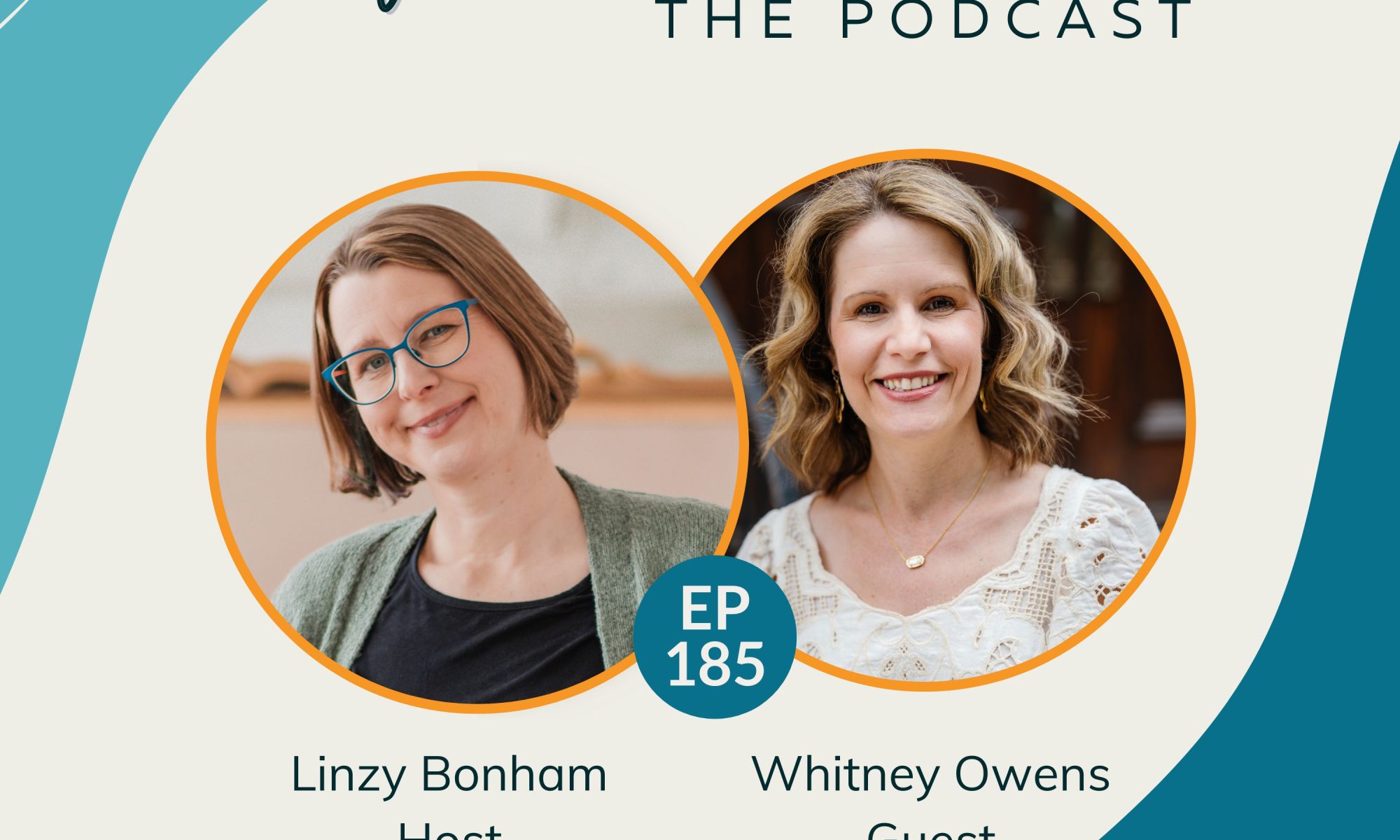
Listen to this episode »
© Copyright 2026 | Money Nuts & Bolts Consulting Inc. | All Rights Reserved
				
					console.log( 'Code is Poetry' );